Table of Contents
- Understanding Your Receding Hairline
- Natural DHT Blockers for Hair Growth
- Scalp Massage for Hair Growth and Circulation
- Foods That Prevent Hair Loss
- Essential Oils and Topical Treatments
- Stress Management and Lifestyle Adjustments
- When to Seek Professional Help
- Frequently Asked Questions
Last Updated: September 25, 2026
Understanding Your Receding Hairline
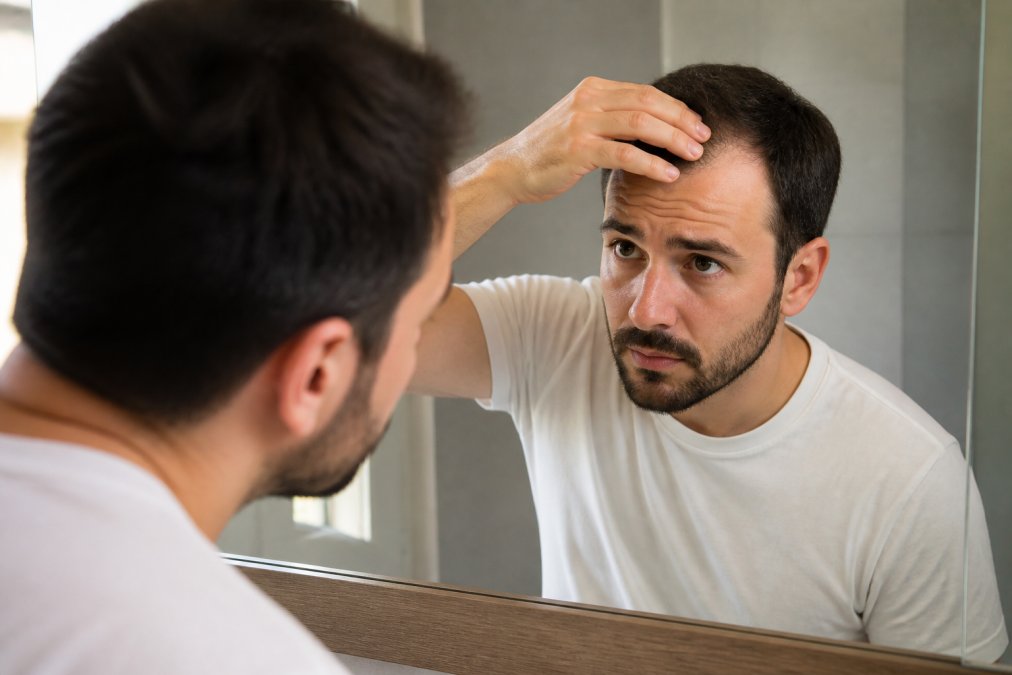
A receding hairline naturally occurs when hair follicles shrink over time, a process called miniaturization. This happens to many people and involves genetics, hormones, and aging. Understanding what causes your receding hairline is the first step toward stopping it.
Hair loss typically follows a pattern. Your hairline may recede gradually, or you might notice thinning across your scalp. The hair growth cycle has three phases: anagen (growth), catagen (transition), and telogen (rest). When follicles miniaturize, they spend less time in the growth phase.
Several factors trigger a receding hairline. Genetics play the biggest role, if your parents experienced hair loss, you're more likely to as well. Hormonal sensitivity to dihydrotestosterone (DHT) also matters. Stress, poor nutrition, and scalp inflammation can speed up the process.
The good news? You can slow or stop hair loss naturally. Many people see results by combining multiple approaches. We help customers find the right tools and products to support their hair health journey.
Natural DHT Blockers for Hair Growth
Dihydrotestosterone sensitivity is a key driver of hair miniaturization. Natural DHT blockers can help reduce this hormone's impact on your follicles without prescription medication. However, understanding how they work, and what they cannot do, is critical before starting.
How DHT blockers work: These compounds inhibit the enzyme 5-alpha reductase, which converts testosterone to DHT in scalp tissue. By reducing DHT production locally, they may slow follicle miniaturization and extend the growth phase. This is why they're most effective for androgenetic alopecia (pattern hair loss driven by genetic DHT sensitivity) and less effective for other hair loss types.
Evidence-backed natural options:
- Saw palmetto, The most studied natural DHT inhibitor. Research suggests it may reduce DHT levels in scalp tissue by 30-50% with consistent use. Typical dose: 160 mg twice daily. Results take 3-6 months.
- Pumpkin seed oil, Contains delta-7-sterol and other phytosterols that may inhibit 5-alpha reductase. One small study found users experienced 40% improvement in hair count after 24 weeks at 400 mg daily.
- Green tea extract (EGCG), Polyphenols protect follicles from oxidative stress and may have mild DHT-blocking properties. Most effective as a topical treatment applied directly to the scalp.
- Nettle root, Traditionally used for prostate health; some evidence suggests it may reduce DHT binding to follicle receptors. Often combined with saw palmetto for synergy.
- Pygeum bark, Less researched than saw palmetto but may support follicle function through anti-inflammatory pathways.
Critical safety considerations: Natural DHT blockers can interact with medications. If you take finasteride (Propecia) or dutasteride (Avodart), combining them with saw palmetto or other DHT inhibitors may increase side effects without added benefit, consult your dermatologist first. Pregnant or nursing individuals should avoid these supplements entirely, as DHT plays a role in fetal development.
Realistic timeline and expectations: Most people need 4-6 months of consistent use to notice slowing of hair loss; regrowth is rare with natural blockers alone. They work best as a preventative or as a complement to prescription treatments, not as a replacement. If your hair loss is rapid or severe, natural DHT blockers alone are unlikely to stop recession, professional evaluation is warranted.
Testing before you start: Before investing in DHT blockers, ask your dermatologist to check your DHT levels and thyroid function. Some people with receding hairlines have normal DHT sensitivity but thyroid dysfunction or iron deficiency, treating the actual cause works better than blocking DHT if DHT isn't the driver. Blood work costs $100-$300 and can save months of ineffective treatment.
Combine DHT blockers with other natural approaches for better results. Single solutions rarely work alone. The most effective strategy layers multiple methods together while monitoring progress every 3 months.
Scalp Massage for Hair Growth and Circulation
Scalp massage increases blood flow to hair follicles, delivering more oxygen and nutrients. Better circulation means healthier follicles and stronger hair growth.
Regular scalp massage takes just 5-10 minutes daily. Use your fingertips, not your nails. Apply gentle pressure in circular motions across your entire scalp. Focus on areas where your hairline is receding.
Here's a simple technique:
- Start at your hairline and work backward toward the crown
- Use all four fingers on each hand in small circular motions
- Spend 30 seconds on each area of your scalp
- Increase pressure gradually, massage should feel good, not painful
- Massage 5-10 minutes daily for best results
Foods That Prevent Hair Loss
Your diet directly affects hair health. Nutrient deficiencies accelerate hair loss. Eating the right foods provides the building blocks your follicles need to thrive.
Key nutrients for hair growth include:
- Biotin, Strengthens hair shaft and supports follicle health
- Iron, Prevents telogen phase dominance and supports growth
- Zinc, Essential for hair protein synthesis and scalp health
- Protein, Hair is made of keratin, a protein your body builds from dietary protein
- Omega-3 fatty acids, Reduce scalp inflammation and support follicle function
- Vitamin D, Regulates hair growth cycle and follicle stimulation
Foods rich in these nutrients:
- Eggs, chicken, and fish for protein and biotin
- Spinach, kale, and red meat for iron
- Pumpkin seeds and oysters for zinc
- Salmon and walnuts for omega-3s
- Mushrooms and fortified dairy for vitamin D
Essential Oils and Topical Treatments
Essential oils can improve scalp health and support hair growth when used properly. The best oils combine circulation benefits with anti-inflammatory properties.
How to use essential oils:
- Mix 2-3 drops of essential oil with 1 tablespoon carrier oil
- Apply to your scalp and massage for 5-10 minutes
- Leave on for 20-30 minutes or overnight
- Shampoo thoroughly the next morning
- Use 2-3 times weekly for best results
Topical minoxidil alternatives include:
- Peppermint oil-based treatments for circulation
- Neem oil for scalp health and anti-inflammatory support
- Aloe vera for soothing inflammation
- Sulfate-free shampoos that protect existing hair
Stress Management and Lifestyle Adjustments
Stress-induced hair loss is real and operates through two distinct mechanisms. Understanding the difference helps you address the right problem.
Effective stress management approaches:
- Exercise, 30 minutes daily of moderate intensity (brisk walking, cycling, swimming) reduces cortisol by 15-25% and improves scalp circulation. Strength training offers additional benefits for hormone balance.
- Sleep, 7-9 hours nightly is non-negotiable. Sleep deprivation increases cortisol and impairs nutrient absorption. Poor sleep alone can trigger or worsen telogen effluvium.
- Meditation or mindfulness, Even 10 minutes daily lowers cortisol and activates the parasympathetic nervous system. Apps like Insight Timer or Calm offer guided sessions specifically for stress-related hair loss.
- Yoga, Combines stress relief with improved blood flow and lymphatic drainage, supporting scalp health.
- Time outdoors, Natural light regulates circadian rhythm and cortisol patterns. 20-30 minutes of morning sunlight improves sleep quality and reduces evening cortisol spikes.
Lifestyle adjustments that protect existing hair:
- Avoid tight hairstyles, Constant tension (tight ponytails, braids, buns) causes traction alopecia, permanent hair loss from mechanical damage. Looser styles protect your hairline.
- Use gentle hair care, Sulfate-free shampoos and conditioners reduce scalp inflammation. Wash with lukewarm (not hot) water; heat opens the cuticle and increases breakage.
- Sleep on silk or satin pillowcases, Cotton creates friction and breaks hair. Silk reduces mechanical stress, especially important if you're already losing hair.
- Limit heat styling, Blow dryers, flat irons, and curling tools weaken the hair shaft. If you use heat, apply a heat protectant spray first.
- Stay hydrated, Dehydration reduces blood volume and nutrient delivery to follicles. Aim for half your body weight in ounces of water daily (e.g., 100 oz for a 200 lb person).
- Manage other stressors, Work stress, relationship issues, and financial worry all elevate cortisol. Addressing root causes (setting boundaries, seeking support, financial planning) has downstream effects on hair health.
When to Seek Professional Help
Natural approaches work well for early hair loss. But some situations need professional evaluation. Knowing when to see a dermatologist helps you get the right treatment at the right time.
See a dermatologist if:
- Your hair loss accelerates suddenly
- You lose more than 100 hairs daily
- You notice bald patches rather than gradual thinning
- Natural treatments show no improvement after 6 months
- You have scalp inflammation, itching, or pain
- Hair loss follows illness, medication changes, or major stress
A dermatologist can:
- Diagnose androgenetic alopecia versus other hair loss types
- Order blood work to check for nutrient deficiencies
- Recommend prescription treatments if needed
- Rule out underlying health conditions
- Create a personalized treatment plan
Frequently Asked Questions
Can you actually regrow hair on a receding hairline naturally?
Natural methods can slow hair loss and support scalp health, but results depend on the stage of hair loss and individual factors. Early-stage receding hairlines respond better to natural interventions than advanced hair loss. Combining dietary changes, DHT blockers like saw palmetto, scalp massage, and stress reduction creates the best environment for hair retention and potential regrowth. However, if your hairline has been receding for years, natural approaches work best alongside professional dermatological consultation to rule out underlying hormonal or nutritional deficiencies.
What are the best natural DHT blockers for hair loss?
Saw palmetto, pumpkin seed oil, and green tea extract are among the most researched natural DHT blockers. Saw palmetto may inhibit 5-alpha reductase, the enzyme that converts testosterone to dihydrotestosterone (DHT), the hormone linked to androgenetic alopecia. Pumpkin seed oil contains compounds that support scalp health and hair density. Green tea's polyphenols offer antioxidant benefits. Results typically take 3-6 months to become noticeable. Consistency matters more than switching between options. Consult a dermatologist before combining natural DHT blockers with prescription treatments.
How often should I do scalp massage for hair growth?
Daily scalp massage for 5-10 minutes can improve scalp circulation and support hair follicle stimulation. Gentle fingertip massage targeting the hairline and crown areas increases blood flow to hair follicles, delivering oxygen and nutrients essential for hair growth. Use circular motions without pulling or tugging. You can incorporate scalp massage into your routine while shampooing or as a standalone practice. Consistency over intensity produces better results, daily gentle massage outperforms occasional vigorous sessions that may cause mechanical damage to hair shafts.
What foods help prevent hair loss and support hair growth?
Foods rich in biotin, iron, zinc, and essential fatty acids support hair density and prevent nutrient deficiency-related hair loss. Fatty fish like salmon provide omega-3 fatty acids crucial for scalp health. Eggs contain biotin and protein for strong hair shafts. Spinach and dark leafy greens offer iron and antioxidants. Nuts and seeds deliver zinc and selenium. Legumes provide plant-based protein and iron. Sweet potatoes contain beta-carotene for scalp health. A balanced diet addressing these nutrients supports the anagen phase (active growth cycle) of hair and reduces telogen phase (shedding cycle) dominance.


