Table of Contents
- Do Scalp Massages Really Stimulate Hair Growth?
- The Best Scalp Massage Techniques for Hair Growth
- How Long to Massage Scalp for Growth and How Often
- Scalp Massage Tools for Hair Growth
- The Best Oils for Scalp Massage
- When to Skip Scalp Massage: Safety and Contraindications
- Conclusion
- Frequently Asked Questions
Last Updated: September 6, 2026
Scalp massage is one of the few hair growth methods that costs nothing, requires no equipment, and carries almost no risk when done correctly. Yet most people either skip it entirely or perform it so aggressively that they do more harm than good. This guide breaks down the best scalp massage techniques for hair growth, how long to massage your scalp for growth, and when you should stop altogether.
The premise is simple: massage increases blood circulation to the scalp, which delivers oxygen and nutrients to hair follicles. Better circulation supports the hair growth cycle, particularly the anagen phase where hair is actively growing. But technique matters more than most guides admit. Press too hard and you risk damaging follicles; too soft and you won't stimulate anything.
Below, we'll cover the exact methods that work, the tools that help, and the oils that pair well with massage. We'll also flag the situations where massage is the wrong move. By the end, you'll have a complete daily routine you can start tonight.
Do Scalp Massages Really Stimulate Hair Growth?
Yes, but with realistic expectations. Scalp massage is not a cure for genetic hair loss conditions like androgenetic alopecia. It is a supportive practice that improves scalp health and may encourage thicker, healthier hair over time.
The mechanism is straightforward. Massage increases blood flow to the scalp, which brings oxygen and nutrients to the hair follicles. This improved microcirculation can help shift follicles from the resting telogen phase into the active anagen phase. Massage also reduces scalp tension, which many people carry without realizing it. Tight scalp skin can restrict blood vessels and limit nutrient delivery.
Stress reduction is a secondary benefit that matters more than people think. High cortisol levels are linked to telogen effluvium, a temporary shedding condition. Regular massage lowers stress, and lower stress means less stress-related hair loss. A daily 5-minute routine serves double duty: it relaxes you and supports your scalp simultaneously (the NIH).
The Best Scalp Massage Techniques for Hair Growth
The best scalp massage techniques for hair growth combine three elements: consistent pressure, deliberate movement, and adequate duration. You don't need fancy tools to start. Your fingertips are the most versatile instrument you own.
What separates an effective session from a wasted one is whether you actually move the skin of the scalp. Lightly stroking your hair does nothing. You need enough fingertip pressure to shift the scalp tissue over the skull, which is what stimulates blood flow and releases tension.
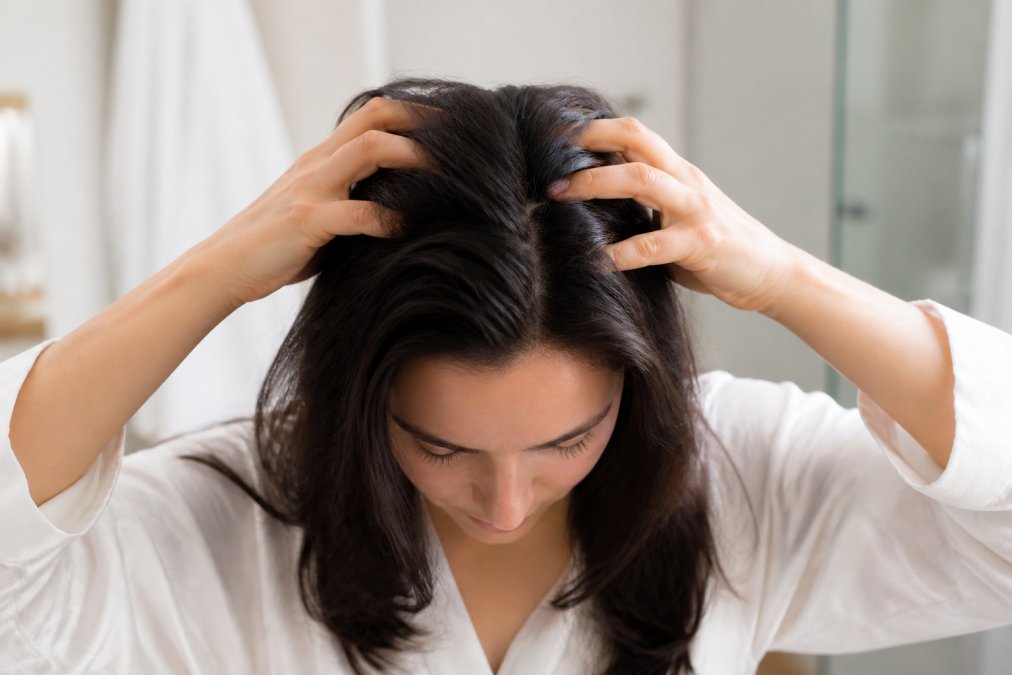
Fingertip Circular Motion Massage
This is the foundational technique and the one most often recommended by dermatologists and hair health experts. Place your fingertips flat against your scalp, not your fingernails. Apply gentle pressure and move in small circular motions.
Work systematically from the front hairline back toward the crown, then down to the nape of the neck. Spend about 30 seconds on each area before moving to the next. The goal is consistent coverage of the entire scalp, not concentrated focus on one spot. Keep your fingers spread so you cover more surface area with each pass. You should feel the skin moving beneath your fingertips, but there should never be pain.
The key variable is pressure. Too light and you're just touching your hair. Too heavy and you risk bruising or irritating the scalp. A good benchmark: the same pressure you'd use to test whether a piece of fruit is ripe, firm but yielding.
Tapping and Kneading Methods
Beyond circular motions, two additional techniques add variety and target different layers of the scalp. Tapping uses light, rapid fingertip strikes across the entire scalp. This stimulates nerve endings and wakes up the area without the sustained pressure of circular massage. Think of it as percussion for your head, gentle and rhythmic rather than forceful.
Kneading mimics the motions of professional scalp treatments. Using your fingertips or the pads of your palms, gently grasp and lift small sections of the scalp, then release. This releases deep tension and is particularly effective at the base of the skull where stress accumulates. Some practitioners also recommend gentle hair pulling: grasp small sections of hair near the roots and tug lightly. This stimulates the follicle from the outside and feels surprisingly relaxing.
These three approaches, circular motion, tapping, and kneading, form a complete manual routine. Rotate between them during each session to keep the stimulation varied.
How Long to Massage Scalp for Growth and How Often
The research-backed sweet spot for how long to massage scalp for growth is 5 to 10 minutes per day. Consistency beats intensity. A daily 5-minute session will outperform a weekly 30-minute marathon because the benefits, improved circulation and reduced tension, compound with regular application.
Most people overthink the frequency question. Daily is ideal. If that feels like too much commitment, aim for at least 4 to 5 sessions per week. The key is making it a habit that fits into your existing routine. Many people find it easiest to massage their scalp while watching television, reading, or winding down before bed.
Here's a realistic weekly structure:
| Session Length | Frequency | Best Time |
|---|---|---|
| 5 minutes | Daily | Morning or evening |
| 10 minutes | 4-5 times weekly | Before bed |
| 2-3 minutes | Daily minimum | In the shower |
One common mistake is treating scalp massage like a workout. You don't need to break a sweat or feel sore afterward. If your scalp feels tender or irritated the next day, you used too much pressure. Dial it back.
Scalp Massage Tools for Hair Growth
Manual massage works, but scalp massage tools for hair growth offer consistency and convenience. The right tool removes the guesswork from pressure and coverage, especially for people who struggle to maintain a routine with their hands alone.
Silicone scalp brushes are the most accessible starting point. These manual tools feature soft, flexible bristles designed to exfoliate the scalp and stimulate blood flow without scratching. They work well with wet hair and shampoo, making them easy to integrate into your existing shower routine. The Briogeo Scalp Revival Stimulating Therapy Massager is a solid example of this category, with flexible silicone bristles and a non-slip handle designed for use with wet hair and products.
For people who want automated stimulation, electric scalp massagers offer consistent, hands-free pressure. The Era of Nature 4-in-1 Electric Scalp Massager uses rotating nodes and vibration to deliver deep tissue stimulation without manual fatigue. Its waterproof design means you can use it during shampooing, and multiple speed settings let you customize pressure. The tradeoff is battery management and a higher upfront cost than a simple manual brush.
The Best Oils for Scalp Massage
Adding oil to your scalp massage serves two purposes: it reduces friction between your fingers and scalp, and it delivers beneficial compounds directly to the skin. The best oils for scalp massage are lightweight enough to absorb without leaving your hair greasy for days.
Carrier oils form the base of any oil blend. Jojoba oil closely mimics the scalp's natural sebum production, making it an excellent moisturizer that doesn't clog pores. Argan oil is rich in fatty acids and vitamin E, supporting overall scalp health. Coconut oil penetrates the hair shaft well and has natural antimicrobial properties, though it can be heavy for fine hair.
Essential oils add targeted benefits but must always be diluted in a carrier oil. Rosemary oil is the most studied for hair growth, with research suggesting it can improve hair thickness and density comparable to minoxidil in some cases. Peppermint oil creates a cooling sensation that increases blood circulation to the scalp. Lavender oil adds stress-reducing aromatherapy benefits.
A simple starting blend: mix 3 to 5 drops of your chosen essential oil into one tablespoon of carrier oil. Massage the blend into your scalp using the circular motion technique, leave it for 15 to 30 minutes, then wash thoroughly. Use this treatment 1 to 2 times per week alongside your daily dry massage.
When to Skip Scalp Massage: Safety and Contraindications
Scalp massage is safe for most people, but there are situations where you should pause or skip it entirely. The most important rule: never massage an area that is actively inflamed, infected, or painful.
If you have an active scalp condition like psoriasis plaques, eczema flare-ups, or open sores, massage can worsen irritation and spread inflammation. Wait until the condition clears before resuming. Similarly, if you have recently had hair transplant surgery, avoid massaging the treated area until your surgeon gives you the green light, typically several weeks post-procedure.
People with severe, untreated high blood pressure should consult a doctor before starting any regular massage routine. The increased blood flow from massage can cause discomfort in some individuals. If you experience dizziness, headache, or nausea during or after massage, stop and speak with a healthcare provider.
Scalp massage also has limits as a standalone treatment. If you're experiencing sudden, patchy hair loss or rapid thinning, massage alone won't address the underlying cause. Conditions like alopecia areata require professional medical evaluation. The American Academy of Dermatology's guidance on hair loss recommends seeing a board-certified dermatologist for any sudden or concerning hair changes.
That said, for the majority of people experiencing everyday thinning or looking to maintain healthy hair, massage is a low-cost addition to a broader hair care strategy. It pairs well with other treatments. Many people combine daily massage with topical treatments like minoxidil, using massage to improve absorption and stimulate the scalp before application. Research on massage and hair growth from the National Institutes of Health suggests that regular scalp massage may contribute to increased hair thickness over time, though individual results vary.
Conclusion
Scalp massage is one of the few hair growth practices that is free, safe, and genuinely effective when performed consistently. The best scalp massage techniques for hair growth come down to three things: using enough pressure to move the scalp tissue, covering your entire head systematically, and sticking with a daily routine of 5 to 10 minutes.
Start with the circular motion technique using your fingertips. Add tapping and kneading once you're comfortable. If manual massage feels tedious, consider a silicone brush or electric massager to maintain consistency. Pair your routine with a carrier oil and an essential oil blend 1 to 2 times weekly for added benefits. And remember: skip massage if your scalp is inflamed, infected, or healing from a procedure.
Building a consistent routine is the hardest part. That's where Hutch's Beauty Boutique can help. Our curated selection of scalp massagers, silicone brushes, and nourishing hair oils brings everything you need into one convenient place, so you can find the right tools without hopping between retailers. Browse our wellness collection and start your scalp massage routine today.
Frequently Asked Questions
How long should you massage your scalp for hair regrowth?
Aim for 5 to 10 minutes per session. Consistency matters more than duration, so a daily 5-minute routine is more effective than a single hour-long session once a week. Studies on scalp massage for hair growth typically use sessions of 4 minutes or longer. Find a duration you can stick with daily.
Can scalp massage help with thinning hair?
Scalp massage may help with certain types of thinning hair by improving blood circulation to hair follicles and reducing stress, which can contribute to hair loss. It is not a cure for genetic conditions like androgenetic alopecia. For the best results, combine scalp massage with proven treatments like minoxidil or prescription options.
What are the best oils to use for scalp massage?
Carrier oils like jojoba, argan, and coconut oil are excellent bases for scalp massage. You can add a few drops of essential oils like rosemary or peppermint, which have shown promise for stimulating hair growth. Always dilute essential oils in a carrier oil to avoid skin irritation, and do a patch test first.
Are there specific tools that improve scalp massage effectiveness?
Yes. Manual silicone scalp brushes are affordable and great for exfoliation and stimulating blood flow. Electric scalp massagers offer consistent, automated pressure and many are waterproof for use in the shower. Both are effective; the best choice depends on your preference for manual control versus convenience.


