Table of Contents
- Why LED Light Therapy Masks Cost So Much
- FDA-Cleared LED Light Therapy Devices Under $400
- Benefits of Red vs Blue Light Therapy for Skin
- LED Mask Treatment Duration and Frequency
- Non-Light Alternatives That Deliver Similar Results
- How to Choose the Right LED Light Therapy Alternative
- Frequently Asked Questions
Last Updated: September 3, 2026
Premium LED light therapy masks often cost $500 to $2,000, placing them out of reach for most people interested in at-home skin treatments. The good news: effective LED light therapy alternatives exist at a fraction of that price. At Hutch's Beauty Boutique, we offer a curated selection of affordable options that can deliver results without breaking the bank. Whether you're looking for cordless LED masks, handheld devices, or non-light alternatives like microcurrent tools, you'll find practical solutions here.
Why LED Light Therapy Masks Cost So Much
Premium LED light therapy masks command high prices because they combine hundreds of individual LEDs, specialized wavelengths optimized for skin penetration, clinical-grade irradiance levels, and FDA clearance processes. However, understanding true cost of ownership, not just sticker price, reveals why some budget alternatives offer better long-term value.
The price gap between premium and budget options has narrowed considerably. Today's affordable LED masks use the same red and near-infrared wavelengths (630nm, 660nm, and 850nm) as expensive devices. The difference lies in LED density, treatment coverage area, and brand reputation rather than fundamental effectiveness.
Long-Term Ownership Costs: The Hidden Factor
Most LED light therapy guides focus on upfront price, but true value emerges over 3-5 years of ownership. Budget cordless masks typically use rechargeable lithium-ion batteries rated for 300-500 charge cycles before capacity degrades noticeably (peer-reviewed research). A device used 4 times weekly will complete roughly 200-250 cycles annually, meaning battery performance may drop 20-30% by year two.
Premium masks often include higher-capacity batteries (3000-5000mAh vs. 1500-2000mAh in budget models) and better battery management systems that extend lifespan to 800+ cycles. LED degradation also differs: premium masks maintain 90%+ output after 5 years, while budget LEDs lose 15-25% brightness by year two.
Warranty coverage reveals manufacturer confidence. Premium brands typically offer 2-3 year warranties covering defects and battery replacement. Budget cordless masks often include only 6-12 month warranties, with battery degradation explicitly excluded.
Calculating True Cost of Ownership
Budget Cordless Mask ($120)
- Battery life: 18-24 months before significant degradation
- Typical ownership: 2-3 years before replacement needed
- Total 5-year cost: $240-360 (two device replacements or one replacement + battery)
Mid-Range Handheld Device ($300)
- Battery life: 3-4 years with gradual degradation
- Replacement battery: $60-80 (typically available)
- Total 5-year cost: $360-380 (device + one battery replacement)
Premium Cordless Mask ($500)
- Battery life: 4-5 years with minimal degradation
- Replacement battery: $100-120 (readily available)
- Warranty: 3 years, covers battery replacement
- Total 5-year cost: $500-620 (device + one battery replacement after year 3)
Over five years, the premium device costs only $120-220 more than budget alternatives when accounting for replacements. Spread across 60 months of use, that's $2-3.67 extra per month for superior battery longevity, LED durability, and warranty protection.
Maintenance and Replacement Parts
Budget masks rarely offer replacement parts beyond batteries. If the silicone face cushion degrades (typically after 12-18 months), you often must replace the entire device. Premium masks sell replacement cushions ($20-40), eye covers ($15-25), and LED panels ($100-200) separately, extending device life and reducing waste.
FDA-Cleared LED Light Therapy Devices Under $400
When shopping for LED light therapy alternatives, FDA clearance matters. Devices cleared by the FDA have undergone testing to verify safety and efficacy claims.
Handheld Red Light Therapy Options
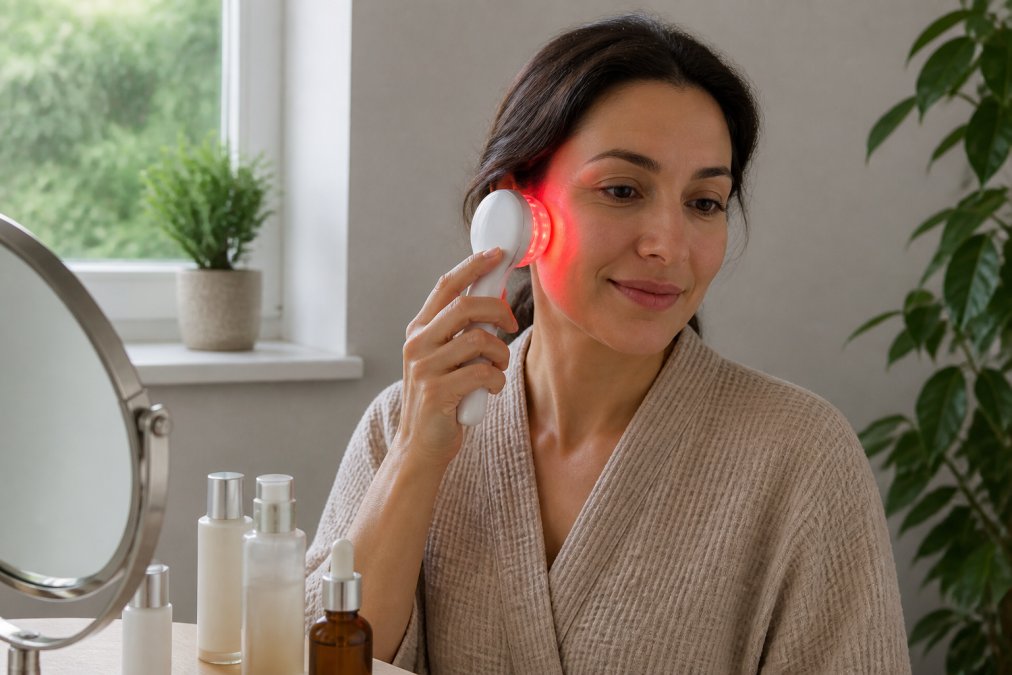
Handheld devices offer portability and targeted treatment for specific facial areas. The MitoPRO Mobile delivers five therapeutic wavelengths (630nm, 660nm, 810nm, 830nm, and 850nm) starting at $349, with a built-in stand and ergonomic strap for hands-free use.
The Rouge Nano provides a more compact alternative at $221 on sale, featuring 12 dual-chip LEDs delivering both red (660nm) and near-infrared (850nm) light with USB-C charging. While smaller than full-face masks, handheld devices excel at treating problem areas like acne-prone zones or fine lines around the eyes. Treatment sessions typically last 5-15 minutes depending on the device and your goals.
Cordless LED Masks for Convenience
Cordless masks eliminate wires while providing broader facial coverage. The Èvoque LED Red Light Therapy Face Mask costs around $120 and features 336 high-density LEDs with three modes: red, near-infrared, and blue light. Its cordless design uses a rechargeable 3000mAh battery, and the adjustable honeycomb structure fits most face shapes comfortably.
This mask works well as an entry point into LED light therapy. The three light modes let you experiment with different wavelengths, red light targets anti-aging and collagen production, while blue light addresses acne. A typical treatment session lasts 15-20 minutes. While budget cordless masks lack FDA clearance, the wavelengths themselves are identical to those in expensive devices. Many users report visible improvements in skin texture and fine lines after consistent use over 4-8 weeks.
Benefits of Red vs Blue Light Therapy for Skin
Red light (620-700nm wavelengths) penetrates deeper into the skin and stimulates collagen production, making it ideal for anti-aging, fine lines, and skin rejuvenation (peer-reviewed research). Near-infrared light (700-1100nm) penetrates even deeper, reaching muscle tissue and supporting cellular energy production at the mitochondrial level.
Blue light (400-500nm wavelengths) works differently, it targets acne-causing bacteria and reduces inflammation. Blue light therapy excels for people with active breakouts or oily, acne-prone skin, though it doesn't penetrate as deeply and can cause photosensitivity in some users.
For most people, red and near-infrared wavelengths deliver the broadest benefits. They support collagen production, improve skin barrier function, and show results across multiple skin concerns. Consistency trump's intensity, using a budget device regularly beats using an expensive device sporadically.
LED Mask Treatment Duration and Frequency
Most LED light therapy devices deliver results with 15-20 minute sessions, 3-5 times per week. This recommendation is rooted in photobiomodulation science and the concept of fluence (total light energy delivered to tissue, measured in joules per square centimeter, or J/cm²).
Premium clinical-grade masks typically deliver 50-100 mW/cm², while budget cordless masks often range from 10-30 mW/cm². A device with 15 mW/cm² needs roughly twice the treatment time to achieve the same fluence as a 30 mW/cm² device.
Research on red light therapy (630nm and 660nm wavelengths) suggests optimal fluence ranges from 4-40 J/cm² depending on the specific skin condition (peer-reviewed research). For anti-aging and collagen stimulation, most studies use 6-20 J/cm². Near-infrared light (830nm and 850nm) may require slightly higher fluence, typically 10-30 J/cm², to stimulate mitochondrial function. Blue light (470nm) for acne typically requires lower fluence, around 4-8 J/cm².
The key principle: more time doesn't always mean better results once you exceed the therapeutic window. Studies show that treatment response plateaus after sufficient fluence is delivered. Overtreatment can cause temporary redness, irritation, or photosensitivity, especially on sensitive skin types.
New users should start with 2-3 sessions per week and gradually increase frequency based on how their skin responds. Most people see visible improvements in skin texture and fine lines within 4-8 weeks of consistent use when fluence targets are met.
Non-Light Alternatives That Deliver Similar Results
If LED light therapy doesn't appeal to you, several non-light technologies deliver comparable anti-aging and skin-rejuvenation benefits through different mechanisms.
Microcurrent Devices for Facial Toning
Microcurrent technology uses low-level electrical currents to stimulate facial muscles, improving tone, firmness, and reducing the appearance of fine lines. The NuFace Trinity+ Starter Kit costs $276.50 on sale and is FDA-cleared for facial lifting and contouring.
Microcurrent works by mimicking the body's natural electrical signals, essentially giving your facial muscles a workout. This approach tightens skin, improves facial contour, and reduces sagging, particularly effective for people concerned with jowls or loss of definition. Results typically appear within 2-4 weeks with consistent use. Treatment sessions typically last 5-10 minutes, and most devices recommend daily or near-daily use for optimal results.
Microneedling and Ultrasonic Tools
Microneedling creates controlled micro-injuries that trigger the body's natural healing response, stimulating collagen and elastin production. The Dr. Pen Ultima M8 costs $135-199 and offers adjustable needle depth (0-2.5mm) with six speed levels for customizable treatments. Results can be dramatic, but the technique requires strict sterile practices and carries some discomfort. Most people see improvements after 4-6 sessions spaced 4-6 weeks apart.
Ultrasonic skin tools use high-frequency vibrations for deep cleansing and product infusion. The Trophy Skin LaBelle Ultrasonic Skin Spatula costs $59.99 on sale with 30,000 Hz vibrations across three modes: exfoliate, clear (for blackhead removal), and apply (for serum infusion). These ultrasonic tools work best for exfoliation and enhancing skincare product absorption rather than addressing deep wrinkles or collagen loss.
How to Choose the Right LED Light Therapy Alternative
Start by identifying your primary skin concern. Anti-aging and fine lines? Red and near-infrared light therapy excels here. Active acne? Blue light or microneedling delivers faster results. Loss of facial definition? Microcurrent devices target this specifically. Dull texture? Ultrasonic tools improve product absorption and exfoliate effectively.
Next, consider your lifestyle and consistency level. LED masks and handheld devices require regular 15-20 minute sessions. Microcurrent devices demand daily use. Microneedling and ultrasonic tools fit better into weekly routines. Choose a technology you'll actually use consistently.
Budget matters, but think long-term. A $120 LED mask requiring replacement every 18-24 months costs less than a $1,500 premium mask over five years. However, if you need FDA clearance for peace of mind, expect to pay more upfront for clinically validated devices.
Skin sensitivity also guides your choice. Sensitive skin benefits from gentle options like ultrasonic tools or low-intensity LED therapy. Resilient skin tolerates microneedling and higher-frequency LED sessions better. If you have conditions like rosacea or active inflammation, consult a dermatologist before choosing any device.
| Device Type | Price Range | Best For | Treatment Time | Frequency |
|---|---|---|---|---|
| Handheld LED | $200-350 | Targeted facial areas | 5-15 minutes | 3-5x weekly |
| Cordless LED Mask | $100-200 | Full-face coverage | 15-20 minutes | 3-5x weekly |
| Microcurrent | $275-330 | Facial lifting and toning | 5-10 minutes | Daily |
| Ultrasonic Tool | $60-195 | Exfoliation and product infusion | 5-10 minutes | 2-3x weekly |
| Microneedling | $135-200 | Scars, texture, collagen stimulation | 20-30 minutes | Every 4-6 weeks |
Effective skin treatments don't require premium price tags. Red and near-infrared light therapy, microcurrent technology, and advanced ultrasonic tools can deliver measurable results at a fraction of luxury mask costs. The key is matching the technology to your specific skin concerns and committing to consistent use. At Hutch's Beauty Boutique, we offer affordable alternatives to expensive LED light therapy masks that combine clinical-grade wavelengths with practical convenience. Start with one device, use it consistently for 4-8 weeks, and adjust based on your results. Your skin will thank you.
Frequently Asked Questions
Q: Can a cheap LED light therapy mask actually work?
A: Yes, affordable LED masks can deliver real results if they use the right wavelengths. Red light (630-700nm) and near-infrared light (700-1100nm) stimulate collagen production and cellular energy regardless of price. The difference between budget and premium masks often comes down to irradiance (light intensity), build quality, and brand reputation rather than fundamental effectiveness. Budget masks with 300+ LEDs and proper wavelengths can improve fine lines and skin texture with consistent use, though premium devices may deliver faster results due to higher irradiance levels.
Q: What are the benefits of red vs blue light therapy for skin?
A: Red light (620-700nm) penetrates deeper into the skin and stimulates collagen production, making it ideal for anti-aging, fine lines, and overall skin rejuvenation. Near-infrared light (700-1100nm) reaches even deeper, supporting cellular energy at the mitochondria level. Blue light (400-500nm) works differently, it targets acne-causing bacteria and is most effective for active breakouts and oily skin. Many affordable devices combine red and near-infrared for anti-aging benefits, while some also include blue light for acne treatment. Choose based on your primary skin concern: red/NIR for aging, blue for acne.
Q: How long should LED mask treatment sessions last?
A: Most LED mask treatment sessions last 10-20 minutes per day, with 3-5 sessions per week being standard for visible results. Some devices recommend 15 minutes daily, while others suggest 20 minutes 3-4 times weekly. Clinical trials supporting red light therapy typically use treatment durations in this range. Consistency matters more than duration, using a device for 15 minutes daily will outperform sporadic 30-minute sessions. Results typically appear within 4-12 weeks of regular use, depending on your skin concern and the device's irradiance level.
Q: Are FDA-cleared LED light therapy devices significantly better than non-cleared alternatives?
A: FDA-cleared status indicates the device has been tested for safety and efficacy claims, which adds credibility and consumer protection. However, many non-cleared affordable LED masks still use proven wavelengths and can deliver visible skin improvements. The key difference is clinical backing, FDA-cleared devices like certain premium masks have published clinical trials demonstrating specific results. Non-cleared budget masks may work just as well in practice, but they lack the brand-backed clinical evidence. If you want guaranteed safety testing and proven efficacy claims, choose FDA-cleared options. If you're budget-conscious and willing to rely on user reviews, non-cleared alternatives can still be effective.
Q: What's the best budget-friendly alternative to expensive LED masks?
A: Handheld red light therapy devices like the MitoPRO Mobile ($349) and Rouge Nano ($221) offer significant savings compared to full-face masks while still delivering therapeutic wavelengths. For broader coverage without the mask design, the Hooga HG1500 panel ($899) provides excellent value for full-body treatments. If you want to avoid light therapy altogether, microcurrent devices like the NuFace Trinity+ ($276.50 on sale) and ultrasonic skin tools like the Trophy Skin LaBelle ($59.99 on sale) deliver anti-aging and skin-clearing benefits through different mechanisms. The best choice depends on your skin goals and budget, light therapy works for anti-aging, while microcurrent excels at lifting and toning.
This article was written using GrandRanker


