Table of Contents
- How Weighted Blankets Calm Anxiety: The Deep Pressure Effect
- What Are the Benefits of Weighted Blankets for Anxiety?
- How Heavy Should a Weighted Blanket Be for Anxiety?
- Weighted Blanket Safety Guidelines You Should Follow
- Who Should Skip Weighted Blankets?
- Material Matters: Choosing the Right Fabric and Fill
- Conclusion: Is a Weighted Blanket Right for Your Anxiety?
- Frequently Asked Questions
Last Updated: September 5, 2026
If you've been doom-scrolling at 2 a.m. with your heart racing, you've probably wondered what are the benefits of weighted blankets for anxiety. The short answer: these heavy blankets apply gentle, evenly distributed pressure across your body, which can trigger a calming neurological response. This guide breaks down the science, the sizing rules, and the hard safety limits.
How Weighted Blankets Calm Anxiety: The Deep Pressure Effect
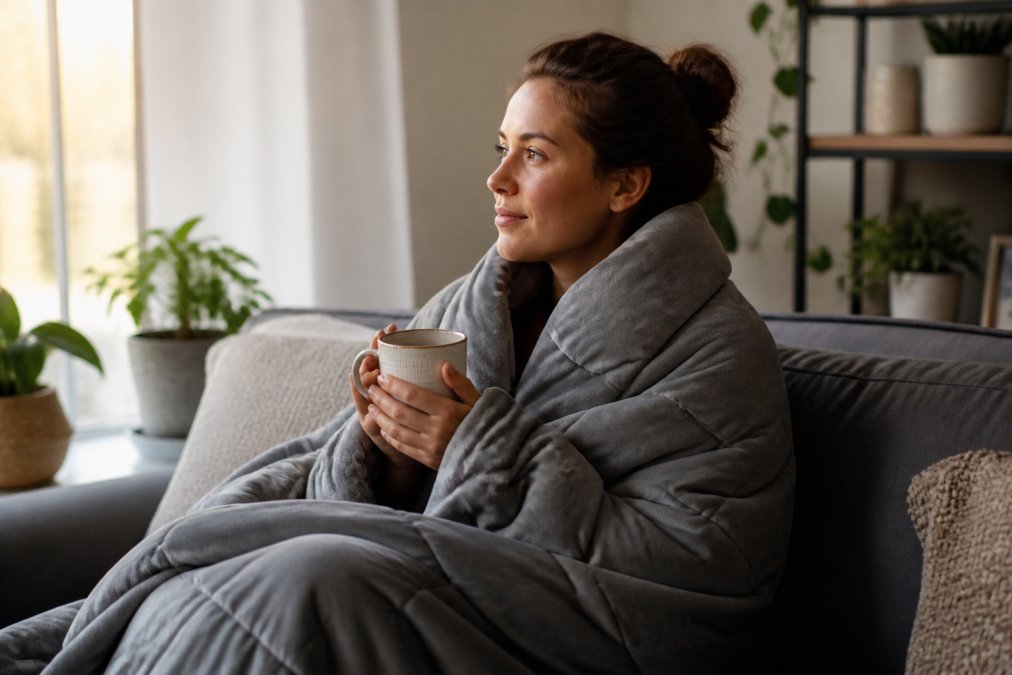
Weighted blankets work through deep pressure stimulation (DPS), a therapeutic technique that mimics the feeling of a firm hug. This tactile sensory input signals your nervous system to shift from "fight or flight" into a resting state, encouraging a parasympathetic response that lowers heart rate and respiratory rate.
The calming mechanism isn't psychological trickery; it's physiological. Deep pressure stimulation is a form of proprioceptive input that tells your body where it is in space, which has a grounding effect on the entire system.
The Autonomic Nervous System Response
The pressure from a weighted blanket activates the parasympathetic branch of your autonomic nervous system. This is the system responsible for "rest and digest" functions, as opposed to the sympathetic "fight or flight" response that dominates during anxiety. When the parasympathetic system is engaged, your body releases acetylcholine, which slows your heart rate and signals your digestive system to operate normally.
Research on DPS shows measurable changes in physiological markers, including a reduction in heart rate and blood pressure within minutes of applying deep pressure (PubMed). Some studies also track heart rate variability (HRV), a marker of how well your nervous system can shift between states; higher HRV is associated with better stress resilience, and DPS has been shown to improve HRV in anxious individuals.
The Neurochemical Cascade
The pressure also stimulates the release of several key neurotransmitters:
- Serotonin: This mood-regulating chemical is released during DPS, creating a sense of well-being and calm.
- Dopamine: The reward and motivation neurotransmitter is also triggered, which can help counter the anhedonia often accompanying anxiety.
- Melatonin: Your body converts serotonin into melatonin, the hormone that regulates your circadian rhythm. This natural cascade supports your body's own sleep cycle rather than forcing sedation.
- Reduced cortisol: DPS has been shown to lower cortisol, the primary stress hormone, which is often chronically elevated in people with anxiety disorders.
Integrating Weighted Blankets with Other Anxiety Therapies
A weighted blanket is most effective when used as part of a broader anxiety management strategy. Here's how to pair it with evidence-based approaches:
With Cognitive Behavioral Therapy (CBT): Use the blanket during CBT homework exercises that involve progressive muscle relaxation or guided imagery. The physical grounding can help you stay present during exposure exercises.
With Mindfulness Practices: Incorporate the blanket into a daily body scan meditation. The weight gives your attention a physical anchor, making it easier to notice where you hold tension.
With Breathing Exercises: The 4-7-8 breathing technique (inhale for 4 counts, hold for 7, exhale for 8) becomes more effective when the blanket's pressure encourages slower, deeper breaths.
With Sleep Hygiene Routines: Use the blanket as a consistent environmental cue. When you wrap yourself in it, your brain learns to associate that specific pressure with the transition to sleep.
What the Research Actually Shows
While the evidence base is still growing, several peer-reviewed studies have examined weighted blankets specifically for anxiety:
- A 2020 study published in the Journal of Clinical Sleep Medicine found that weighted blankets reduced insomnia severity in adults with major depressive disorder, bipolar disorder, or generalized anxiety disorder (PubMed).
- A 2022 systematic review in Occupational Therapy in Mental Health concluded that DPS shows promise for reducing state anxiety, though the authors noted that more rigorous trials are needed.
- Research on weighted vests (which use the same DPS mechanism) has shown reductions in anxiety-related behaviors in children with autism spectrum disorder, providing indirect support for the approach.
It's important to be honest about limitations: many studies have small sample sizes, and the placebo effect may play a role. However, the physiological mechanisms described above are well-established, and the risk profile is favorable compared to pharmaceutical interventions.
What Are the Benefits of Weighted Blankets for Anxiety?
The primary weighted blanket benefits for anxiety center on reducing the physical symptoms that keep anxiety spiraling. By slowing your heart rate and encouraging deeper, slower breathing, the blanket helps interrupt the feedback loop where anxious thoughts trigger a racing body.
Beyond the immediate calming effect, users frequently report measurable improvements in sleep quality:
- Reduced sleep latency: Falling asleep faster because the body is already in a relaxed state.
- Fewer nighttime awakenings: The constant pressure reduces the startle response that can pull you from deep sleep.
- Lower nocturnal anxiety: Many people find the weight feels like a protective barrier against racing thoughts.
- Improved sleep architecture: More time spent in restorative deep sleep stages.
- Better sleep hygiene: The blanket becomes a physical cue that signals "bedtime" to your brain.
How Heavy Should a Weighted Blanket Be for Anxiety?
The general rule of thumb is to choose a blanket that weighs roughly 10 percent of your body weight, plus one to two pounds (aota.org). For example, a 150-pound adult would typically use a 15 to 17-pound blanket, while a 200-pound person might prefer a 20 to 22-pound option.
Here's a quick reference to get you in the right range:
| Body Weight | Recommended Blanket Weight | Best For |
|---|---|---|
| Under 130 lbs | 10-12 lbs | Light pressure, sensitive sleepers |
| 130-180 lbs | 15 lbs | Standard anxiety relief |
| 180-230 lbs | 20 lbs | Deeper pressure, chronic restlessness |
| Over 230 lbs | 25+ lbs | Maximum therapeutic weight |
When you try the blanket, the weight should feel comforting, not suffocating. If you feel like you're struggling to breathe or move, it's too heavy. Conversely, if you don't feel the pressure at all, you won't get the deep pressure stimulation benefits, so size up.
Weighted Blanket Safety Guidelines You Should Follow
Weighted blanket safety guidelines matter most for vulnerable sleepers. Children under 40 pounds should not use weighted blankets without explicit pediatrician approval, as the weight can interfere with their developing respiratory systems. The same caution applies to anyone with asthma, sleep apnea, or chronic respiratory conditions.
Who Should NOT Use a Weighted Blanket
Beyond the general cautions, there are specific medical conditions where weighted blankets are contraindicated. If you have any of the following, consult your physician before using one:
Respiratory Conditions:
- Sleep Apnea: The added weight on your chest can exacerbate breathing obstructions during sleep, even if you use a CPAP machine.
- Asthma: During an acute attack, the pressure can make it harder to expand your lungs fully.
- Chronic Obstructive Pulmonary Disease (COPD): The external pressure can restrict diaphragmatic movement, which is already compromised in COPD patients.
Circulatory Issues:
- Peripheral Neuropathy: Reduced sensation in your extremities means you may not notice if circulation is being cut off.
- Deep Vein Thrombosis (DVT): The pressure can increase the risk of blood clots in people with a history of DVT.
- Poor Circulation: If you have Raynaud's phenomenon or other circulatory disorders, the pressure can further restrict blood flow to your extremities.
Other Medical Conditions:
- Claustrophobia: The confinement can trigger panic attacks rather than relieve anxiety.
- Low Blood Pressure: The pressure can cause a further drop in blood pressure, leading to dizziness or fainting.
- Certain Heart Conditions: If you have congestive heart failure or arrhythmias, the external pressure can affect your heart's ability to pump effectively.
- Post-Surgical Recovery: Especially after abdominal or thoracic surgery, the weight can put stress on healing incisions.
- Pregnancy: The abdominal pressure may be uncomfortable or unsafe, particularly in the third trimester. Always check with your obstetrician first.
- Fibromyalgia: While some patients find relief, others report that the pressure exacerbates pain. Start with a lighter weight (8-10% of body weight) and monitor your symptoms.
Pediatric Safety Guidelines
The American Academy of Pediatrics has not issued specific guidelines for weighted blankets, but occupational therapy practitioners generally recommend the following:
- Under 40 pounds: Do not use without explicit pediatrician approval.
- Ages 3-5: Only under direct supervision, with a weight of no more than 5-8% of body weight.
- Ages 6-12: Weight should not exceed 10% of body weight, and the child must be able to remove the blanket independently.
- Never use for infants: Weighted blankets pose a suffocation risk for infants under 1 year old.
Children with sensory processing disorders may benefit from weighted blankets, but they should be introduced gradually under the guidance of an occupational therapist.
Material-Specific Safety and Maintenance Protocols
The fill material affects not just comfort but also safety and longevity. Here's what you need to know about maintaining different types:
Glass Bead Fills:
- These are the most common and distribute weight evenly.
- They are naturally cool and don't retain body heat.
- Care: Most glass bead blankets are machine washable on a gentle cycle with cold water. Always check the label, as some require professional cleaning.
- Drying: Air dry or tumble dry on low. High heat can damage the fabric and cause the beads to shift.
Plastic Pellet Fills:
- These are heavier and tend to clump over time.
- They retain more heat than glass beads.
- Care: Plastic pellets can melt in high heat, so always wash in cold water and air dry.
- Warning: If the fabric tears, plastic pellets can become a choking hazard for children and pets.
Organic Fills (Rice, Buckwheat, Flax):
- These are eco-friendly but have a shorter lifespan.
- They can absorb moisture and develop mold or mildew if not dried properly.
- Care: These typically cannot be machine washed. Spot clean only and air out regularly.
- Replacement: Organic fills should be replaced every 1-2 years, as they break down and lose their therapeutic weight.
Outer Fabric Considerations:
- Cotton and Bamboo: Breathable and machine washable. Best for year-round use.
- Minky and Fleece: Soft but trap heat. Wash in cold water to prevent pilling.
- Removable Covers: Invest in a blanket with a removable, washable cover. This extends the life of the blanket and makes hygiene management much easier.
Hygiene Protocol for Anxiety Management
Since weighted blankets are used during sleep, they accumulate sweat, dead skin cells, dust mites, and allergens. For people with anxiety, poor sleep hygiene can worsen symptoms. Follow this schedule:
- Weekly: Wash the removable cover (if applicable) in hot water.
- Monthly: Wash the entire blanket (if machine washable) or spot clean thoroughly.
- Quarterly: Air out the blanket outside in direct sunlight for 2-3 hours to kill dust mites.
- Immediately: Clean any spills or stains to prevent bacterial growth.
Signs You Should Stop Using Your Weighted Blanket
Pay attention to how your body responds. Discontinue use and consult a healthcare provider if you experience:
- Numbness or tingling in your extremities
- Increased difficulty breathing at night
- New or worsening joint pain
- Feelings of panic or claustrophobia
- Skin irritation or allergic reactions to the materials
If you share a bed with a partner, a weighted blanket works best as a personal layer. Use it on top of your regular sheet, and let your partner use their own standard blanket.
Who Should Skip Weighted Blankets?
Weighted blankets are not a universal solution. People with claustrophobia often find the confinement triggers panic rather than relief. If you feel trapped even under a normal duvet, the added pressure is likely to make your anxiety worse.
Individuals with certain medical conditions should also steer clear. If you have a history of heart conditions, low blood pressure, or are recovering from surgery, the external pressure can interfere with your body's natural regulation. Always discuss the purchase with your doctor if you take medication for blood pressure or heart rhythm issues.
Material Matters: Choosing the Right Fabric and Fill
The fabric and fill determine both comfort and longevity. Glass bead fills are the most common choice because the fine beads distribute evenly and stay cool, while plastic pellet fills tend to clump and hold heat. Look for a blanket with small, square quilting pockets; they keep the fill from shifting into uncomfortable lumps.
For the outer fabric, consider your sleeping temperature. Fleece and minky fabrics feel soft and cozy but trap body heat, which can be counterproductive if you already sleep warm. Cotton and bamboo blends breathe better and work year-round. If you live in a warmer climate, prioritize breathability over plushness.
Conclusion: Is a Weighted Blanket Right for Your Anxiety?
If your anxiety keeps you wired at night, a weighted blanket is a low-risk, drug-free option worth testing. The deep pressure stimulation offers a genuine calming effect that helps many people fall asleep faster and stay asleep longer.
Hutch's Beauty Boutique offers a curated selection of wellness essentials that fit into your daily self-care routine, from sleep aids to relaxation tools. Browse our catalog to find a quality weighted blanket that matches your weight and fabric preferences. Search for what you need for a better night's rest.
Frequently Asked Questions
Can weighted blankets help with panic attacks?
Yes, many people use them as a grounding technique during a panic attack. The deep pressure stimulation from a weighted blanket can help shift your focus to physical sensation and slow down your breathing. While it is not a replacement for professional treatment, having one nearby can be a useful part of your coping toolkit. Try draping it over your lap or shoulders rather than your whole body if you feel overwhelmed.
Are there any medical conditions that prevent the use of weighted blankets?
Yes. Weighted blanket safety guidelines state that people with severe respiratory issues, circulatory disorders, or certain sleep conditions like sleep apnea should avoid them. Anyone recovering from surgery or with fragile skin should also check with a doctor first. If you have a chronic condition, always ask your physician before trying weighted therapy to make sure it is safe for your specific situation.
How heavy should a weighted blanket be for anxiety?
The standard rule is to pick one that is about 10 percent of your body weight. For example, a 150-pound adult would typically choose a 15-pound blanket. If you are between sizes, it is usually safer to go with the lighter option, especially if you are new to this type of therapy. For children or anyone with a medical condition, consult a pediatrician or doctor before purchasing.
This article was written using GrandRanker


