Table of Contents
- What Is an Ultrasonic Skin Scrubber and How Does It Work?
- How to Use an Ultrasonic Skin Spatula for Blackhead Removal
- Benefits of Ultrasonic Scrubbers for Blackheads and Clogged Pores
- Ultrasonic Skin Scrubber Side Effects and Safety Precautions
- Optimal Frequency and Skin Types for Ultrasonic Treatment
- Post-Treatment Skincare Layering and Recovery
- Device Hygiene and Maintenance
- Frequently Asked Questions
Last Updated: October 2, 2026
What Is an Ultrasonic Skin Scrubber and How Does It Work?
An ultrasonic skin scrubber blackheads remover is a handheld device using high-frequency vibrations to eliminate blackheads, dead skin cells, and impurities from pores. Unlike manual extraction or chemical peels, it dislodges debris gently without harsh scrubbing, combining deep cleansing with exfoliation in one step.
Understanding Ultrasonic Vibrations and Pore Extraction
Ultrasonic technology operates at frequencies between 20,000 and 40,000 hertz, creating a gentle micro-massage effect that loosens sebum and dead skin cells trapped in pores.
The stainless steel spatula blade vibrates at ultrasonic frequency, penetrating the dermal layer without damage when glided across skin.
Ultrasonic devices rely on vibration frequency rather than physical pressure, keeping your skin barrier intact by helping your body naturally shed loose debris.
Why Ultrasonic Technology Targets Blackheads and Comedones
Blackheads (open comedones) form when sebum and dead skin cells oxidize inside pores (the American Academy of Dermatology). The challenge is reaching deep enough without damaging surrounding skin.
Ultrasonic vibrations travel through skin tissue efficiently, breaking up oil buildup and loosening comedones while stimulating blood flow to help expel trapped impurities.
Whiteheads (closed comedones) respond differently; ultrasonic treatment works best as prevention since they're sealed under the skin.
How to Use an Ultrasonic Skin Spatula for Blackhead Removal
Step-by-Step Technique for Safe Extraction
Using an ultrasonic skin scrubber blackheads removal tool correctly makes the difference between results and irritation. Here's the proper technique:
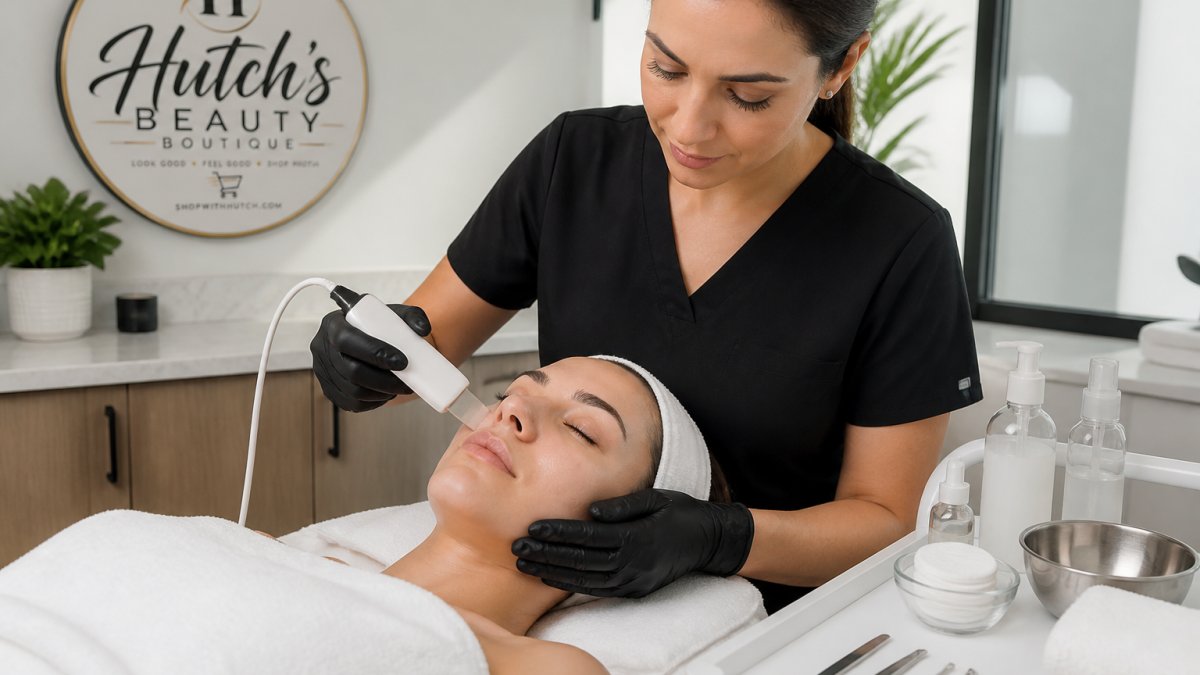
Step 1: Start with clean, damp skin. Wash your face with a gentle cleanser. Pat it dry, then lightly mist with water or a hydrating toner. Damp skin allows the spatula to glide smoothly without dragging.
Step 2: Turn on the device at the lowest setting. Most devices have multiple frequency levels.
Step 4: Move in upward strokes. Work from your chin toward your forehead.
Step 5: Avoid sensitive zones. Skip the thin skin around your eyes and lips.
Step 6: Limit sessions to 5-10 minutes. More time doesn't mean better results.
Preparation and Skin Readiness
Exfoliate lightly the day before with a gentle AHA or BHA to soften dead skin cells. On treatment day, cleanse thoroughly to remove makeup, sunscreen, and oils that block vibrations. Avoid the device if your skin is irritated, sunburned, or compromised.
Benefits of Ultrasonic Scrubbers for Blackheads and Clogged Pores
Deep Cleansing and Sebum Removal
Ultrasonic scrubbers reach deep into pores where manual tools can't, dislodging oil buildup. Consistent use reduces clogged pore appearance and visibly shrinks pore size by preventing sebum and dead skin cell accumulation.
Sebum removal is valuable for acne-prone skin, reducing the bacterial environment without replacing acne medication.
Exfoliation and Skin Texture Improvement
Ultrasonic exfoliation removes dead skin cells without creating micro-tears, improving texture and reducing fine lines caused by irregularities. Regular use leads to smoother skin without the inflammation of aggressive scrubbing.
Ultrasonic Skin Scrubber Side Effects and Safety Precautions
Who Should Avoid Ultrasonic Treatment
Certain skin conditions and situations make ultrasonic treatment inappropriate. Know your limits before using the device.
Avoid if you have:
- Active acne with open sores or pustules
- Severe rosacea or sensitivity
- Eczema or dermatitis flare-ups
- Recent chemical peels or laser treatments
- Sunburned or compromised skin barrier
- Cystic acne (the device won't help and may irritate)
Also avoid if you:
- Are pregnant (consult your doctor first)
- Have a pacemaker or facial metal implants
- Use Accutane or medications that thin skin
The rule is simple: if your skin is already irritated or compromised, wait. Using ultrasonic treatment on damaged skin causes more problems than it solves.
Managing Sensitivity and Skin Barrier Health
Side effects are usually mild: temporary redness, tingling, or dryness that fade within hours. Minimize sensitivity by starting at the lowest setting, using 5 minutes initially, increasing gradually, and limiting use to 2-3 times weekly.
Overuse compromises your skin barrier. Signs of overdoing it: persistent redness, flaking, tightness, or increased sensitivity. If irritation occurs, stop for 1-2 weeks and use only gentle cleanser and moisturizer.
Optimal Frequency and Skin Types for Ultrasonic Treatment
Oily/acne-prone: 2-3 times weekly. Combination: 1-2 times weekly on T-zone only. Sensitive/dry: Once weekly maximum. Normal: 1-2 times weekly. Consistency matters more than intensity; regular light use beats occasional aggressive sessions.
Post-Treatment Skincare Layering and Recovery
Immediate Aftercare and Hydration
Wait 10-15 minutes before applying products. Apply a hydrating toner or essence to replenish moisture, then a lightweight non-comedogenic moisturizer. Use broad-spectrum SPF 30+ if treating during the day, as ultrasonic treatment increases sun sensitivity.
Strategic Use of Chemical Exfoliants Post-Treatment
Apply BHA (salicylic acid) 30-60 minutes post-treatment to prevent rapid re-clogging. Salicylic acid is lipophilic and dissolves remaining sebum while pores are dilated, preventing blackheads from reforming within 24-48 hours.
Treatment day: Apply 0.5-2% BHA to congested areas after moisturizer sets. Days 2-3: Continue BHA once daily. Avoid: AHA immediately post-treatment (wait 48 hours) and all other actives on treatment day to prevent irritation.
Troubleshooting Ineffective Extractions
Sometimes you use the device correctly but don't see results. Before giving up, try these troubleshooting steps.
Track your results over 4-6 weeks. Skin cell turnover takes time. Consistent use over this period, combined with strategic post-treatment BHA application, shows whether the device works for your specific skin.
Device Hygiene and Maintenance
Your ultrasonic skin scrubber is only as effective as its cleanliness. A dirty device spreads bacteria and defeats the purpose of extraction. For acne-prone skin, this is especially critical: the metal spatula blade creates an ideal environment for bacterial biofilm accumulation if not properly sterilized.
Understanding Biofilm and Cross-Contamination Risk
The stainless steel blade of an ultrasonic scrubber is porous at a microscopic level.
If you have active acne or use the device on multiple areas of your face, you risk spreading bacteria from one zone to another.
For this reason, cleaning after every single use is non-negotiable, not optional.
Daily Cleaning Protocol
Immediately after use (within 5 minutes):
- Wipe the spatula blade with a damp cloth to remove visible debris and sebum
- Use a gentle cleanser or mild soap on the blade surface
- Pat dry with a clean, lint-free cloth
- Store in a dry location away from humidity
Do not let the device sit unwashed, even for a few hours. Sebum and dead skin cells dry onto the blade and become harder to remove, creating a better environment for bacterial growth.
Weekly Deep Sterilization
For acne-prone skin or if you use the device frequently (3+ times weekly):
Soak the blade in 70% isopropyl alcohol (rubbing alcohol) for 5-10 minutes once per week.
After soaking:
- Gently scrub the blade with a soft-bristled toothbrush to dislodge any biofilm
- Rinse thoroughly under running water
- Air dry completely before storage
Alternatively, if your device is fully waterproof (check the manufacturer's specifications), you can use a UV sterilizer designed for beauty tools.
For sensitive or non-acne-prone skin:
Storage and Environmental Factors
Store your device in a clean, dry location. Bathrooms are humid environments where bacteria thrive. If possible, store in a bedroom drawer or cabinet away from moisture.
Never store the device in a closed, damp case immediately after use. Allow it to air dry completely first (at least 30 minutes).
Blade Replacement Schedule
Replace the blade when:
- It becomes visibly dull, scratched, or pitted (usually after 6-12 months of regular use)
- You notice corrosion, discoloration, or rust spots
- The vibration feels weaker, uneven, or produces a grinding sound
- You've had a skin infection or significant breakout and want to eliminate any possibility of recontamination
A dull blade requires more pressure to work, which increases irritation risk without improving extraction. It also harbors bacteria more easily because the rough surface provides more crevices for biofilm. Replacement blades are a worthwhile investment in both efficacy and skin health.
Waterproof vs. Non-Waterproof Devices
If your device is not waterproof, never submerge it or run it under water. Clean only the blade and handle exterior with a damp cloth.
If your device is waterproof (check the IP rating on the packaging, IP67 or higher is ideal), you can rinse the entire device under running water.
Signs Your Device Needs Cleaning or Replacement
- Reduced extraction effectiveness: Buildup on the blade reduces vibration transmission
- Increased skin irritation: A dirty blade can introduce bacteria that cause breakouts
- Visible discoloration or buildup: Mineral deposits from tap water or dried sebum
- Unusual sounds or vibration patterns: May indicate internal corrosion or motor damage
Maintaining your device takes 5 minutes per week but extends its lifespan and protects your skin from preventable bacterial complications.
Frequently Asked Questions
Does an ultrasonic skin scrubber actually work for removing blackheads?
Yes, ultrasonic skin scrubbers effectively remove blackheads when used correctly. The high-frequency ultrasonic vibrations loosen sebum and impurities from clogged pores, allowing the spatula blade to extract comedones gently. Results depend on consistency, skin type, and proper technique. Most users see visible pore refinement within 2-3 weeks of regular use. However, they work best as part of a complete skincare routine, not as a standalone solution.
How often should you use an ultrasonic skin scrubber for blackheads?
For most skin types, use an ultrasonic skin scrubber 1-2 times per week. Oily and acne-prone skin may tolerate twice-weekly use, while sensitive skin should start with once weekly. Overuse can damage the skin barrier and cause irritation. Never use daily. Allow at least 3-4 days between sessions to let your skin recover. If you experience redness or sensitivity, reduce frequency to once per week or less.
What are the side effects of using an ultrasonic skin scrubber?
Common side effects include temporary redness, mild irritation, and slight sensitivity immediately after use. Some users experience dryness if post-treatment hydration is skipped. Overuse can weaken the skin barrier, leading to persistent sensitivity or micro-tears. Those with active inflammation, rosacea, or very sensitive skin may experience stronger reactions. Contraindications include pregnancy, certain medications (retinoids), and recent chemical peels. Always patch-test and follow safety guidelines.
What should you do after using an ultrasonic skin scrubber?
Post-treatment skincare layering is critical. Immediately after extraction, apply a gentle, hydrating toner or essence to replenish moisture. Follow with a lightweight, non-comedogenic moisturizer to restore the skin barrier. Avoid active ingredients like retinoids or vitamin C for 24 hours. Skip makeup for at least 2 hours. Apply sunscreen the next day if going outside. If extractions were aggressive, use a calming serum with centella asiatica or niacinamide to reduce inflammation.


