Table of Contents
- How Red Light Therapy Works on Wrinkles and Fine Lines
- Red Light Therapy Before and After Results: What Actually Changes
- Red Light Therapy Results Timeline: When to Expect Visible Changes
- How Often to Use Red Light Therapy for Wrinkles
- At-Home Red Light Therapy Devices for Face: What to Look For
- Factors That Affect Your Individual Results
- Safety, Realistic Expectations, and When Results Stop
- Frequently Asked Questions
Last Updated: October 8, 2026
How Red Light Therapy Works on Wrinkles and Fine Lines
Red light therapy uses specific wavelengths of light to penetrate skin and stimulate cellular activity at the mitochondrial level, making it effective for addressing red light therapy wrinkles. Red and near-infrared light energize mitochondria to produce more ATP (cellular energy), helping skin cells repair themselves more efficiently (Checking your browser).
The process is called photobiomodulation. Your cells respond by ramping up collagen production, the protein that gives skin firmness and elasticity. As you age, collagen breaks down, which is why wrinkles and fine lines appear.
The light reaches the dermis, where collagen lives, so results tend to be more noticeable than topical creams alone.
Red light therapy is non-invasive and works with your body's natural healing process. No needles, no downtime, no chemicals.
Red Light Therapy Before and After Results: What Actually Changes
Before-and-after photos are the most persuasive part of any red light therapy pitch, and the easiest to misread. Two photos taken under different lighting, times of day, and camera settings can make a modest change look dramatic or hide a real one. Know what actually changes and what makes two sets of photos comparable.
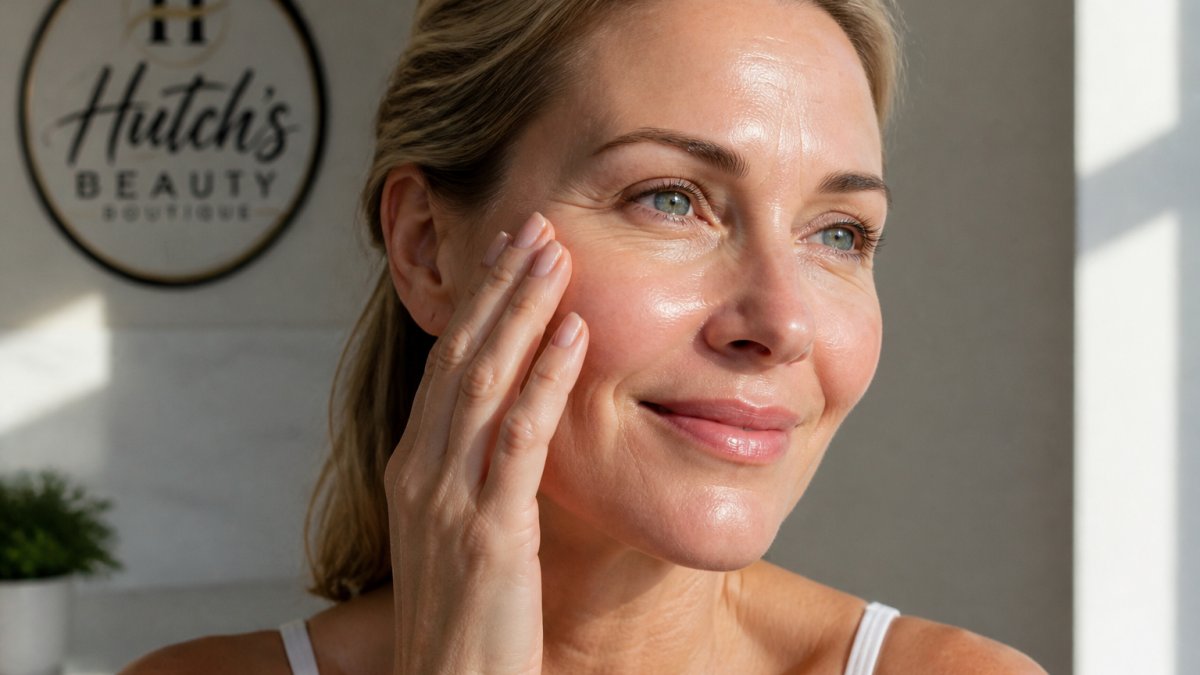
What Changes, and Roughly How Much
Red light therapy (photobiomodulation) produces gradual, cumulative changes in three areas. Practitioners and device makers generally describe the effect sizes this way:
- Fine lines and surface wrinkles: The most commonly reported improvement. Shallow lines around the eyes and mouth often soften first. Deep, etched wrinkles typically improve only modestly and rarely disappear.
- Skin texture: Roughness, crepiness, and enlarged-looking pores tend to smooth out. This is often the change people notice before wrinkle reduction.
- Tone and redness: Blotchiness, diffuse redness, and uneven pigmentation often even out as circulation improves.
Think "noticeably fresher, smoother, more even" rather than "ten years younger." Anyone promising dramatic wrinkle erasure from an at-home device is overselling.
Why Before-and-After Photos Are So Hard to Compare
A fair comparison requires the same conditions on both sides. Check these variables:
- Lighting: Direct sun, overhead bathroom light, and ring light all change how wrinkles read.
- Time of day: Skin is puffier in the morning and more creased by evening.
- Camera and distance: Different lenses, focal lengths, and distances distort facial proportions and skin texture.
- Expression and angle: A relaxed face versus a smiling or squinting face changes every line around the eyes and mouth.
- Makeup, moisturizer, and filters: Anything applied to the skin, or by the phone, invalidates the comparison.
- Treatment duration and device settings: 12 weeks of daily use on a high-irradiance device is not comparable to 3 weeks of occasional use on a low-power one.
How to Take Your Own Comparable Photos
To judge your own results honestly:
- Pick one spot with consistent, indirect daylight and shoot at the same time of day.
- Use the same camera, same distance, and same neutral expression.
- Clean skin, no makeup, no moisturizer, no filters.
- Take a baseline before your first session, then repeat at weeks 4, 8, and 12.
- Note your device, wavelength, session length, and how many sessions per week.
What the Evidence Actually Shows
Clinical research on photobiomodulation for skin aging generally reports improvements in wrinkle severity, texture, and elasticity, but studies vary widely in device, wavelength, dose, and measurement (Reverse skin aging signs by red light photobiomodulation). The honest headline: the mechanism is well-supported, the average effect is real but modest, and results depend on getting an adequate dose consistently.
Collagen Production and Skin Elasticity
Collagen production is the foundation of what red light therapy does. More collagen means wrinkles soften and skin becomes firmer, and elasticity, the "bounce back" your skin has when you pinch it, improves too. The timeline is gradual: no collagen boost in one session, but many people report tighter, more lifted skin after a month or two of regular treatment.
Skin Texture and Tone Improvements
Texture changes are often the first thing people notice: rough patches smooth out, pores appear smaller, and the surface becomes more even. Tone improvements come from better circulation, increased blood flow delivers more oxygen and nutrients, helping fade redness, blotchiness, and uneven pigmentation. After two to four weeks of consistent use, most people see fresher, more refined skin.
Red Light Therapy Results Timeline: When to Expect Visible Changes
Patience is key: results don't happen in one week, but they do happen if you stay consistent.
Week 1-2: Skin may feel softer and look slightly brighter from increased circulation and hydration. Don't expect major wrinkle reduction yet.
Week 3-4: Fine lines look less pronounced, texture improves, and redness fades. Many people see their first real "before and after" moment here.
Month 2-3: Wrinkles continue to soften, elasticity improves, and collagen production ramps up.
Month 3+: Deeper wrinkles show noticeable reduction and firmness increases. Results plateau somewhat, but maintenance treatments keep the gains.
How Often to Use Red Light Therapy for Wrinkles
Consistency beats intensity: three to five times per week works better than occasional longer sessions. Most at-home devices recommend 10 to 20 minutes per session, more time doesn't mean better results, since skin has a limit to how much stimulation helps. Daily use is safe if your device is designed for it; pick a frequency you can stick with. After you see results, you'll need maintenance treatments, if you stop entirely, skin gradually returns to baseline, though many people drop to two to three times per week once they've reached their goals.
At-Home Red Light Therapy Devices for Face: What to Look For
At-home red light therapy devices range from handheld tools to full-face masks and panels. They all deliver red and near-infrared light, but they are not interchangeable, two devices with the same price and "red light" label can differ by an order of magnitude in how much usable light reaches your dermis. Here's how to read a spec sheet.
Device Specifications That Matter
Wavelength. Red light typically falls between 600 and 700 nanometers (nm), with 630-660 nm most common for skin.
Irradiance (power density). How much light energy hits your skin per unit of time, usually in milliwatts per square centimeter (mW/cm²).
Dose. Irradiance multiplied by time, expressed in joules per square centimeter (J/cm²). This is the number that actually matters.
Treatment distance. Light intensity drops sharply with distance. A mask sitting directly on your face delivers far more usable light than a panel a foot away.
How to Compare Devices Side by Side
When weighing two devices, line up these five numbers: wavelength(s), irradiance (mW/cm²), dose per session (J/cm²), session time, and coverage area. A high-irradiance handheld may deliver a strong dose to a small area; a lower-irradiance mask may deliver a gentler dose to the whole face. Neither is automatically better, it depends on whether you want targeted treatment or full-face coverage. Be wary of LED count as a headline spec: more LEDs doesn't mean more usable light if irradiance is low.
Masks, Handhelds, and Panels: Trade-offs
- Masks: Best for whole-face and neck coverage with minimal effort. You strap it on and relax. Downside: less control over targeting, and fit affects how much light reaches the skin.
- Handheld devices: Best for targeted areas like around the eyes, forehead, or nasolabial folds. Downside: treating the whole face takes longer, and consistency is harder.
- Panels: Best for larger treatment areas and higher output. Downside: you need to position yourself, protect your eyes, and stay put for the session.
The best device is the one you'll actually use, if a mask feels uncomfortable or a handheld is tedious, you'll skip sessions.
Red Light Therapy vs. Other Wrinkle Treatments
Red light therapy is one option among several. Here's where it fits.
- Sunscreen and sun protection: The single highest-return intervention for preventing new wrinkles. Red light therapy works best alongside it, not instead of it.
- Retinoids (tretinoin, retinol): Among the best-supported topical treatments for fine lines and texture, though they can cause irritation and the strongest forms require a prescription. Many people combine them with red light therapy.
- Moisturizers and vitamin C serums: Support skin barrier and tone. Modest wrinkle effect alone, but they amplify results from other treatments.
- Injectables (neuromodulators and fillers): Fast, dramatic, and targeted at dynamic lines or volume loss, different problems than red light therapy, with cost and repeat-treatment considerations.
- In-office procedures (lasers, microneedling, chemical peels): Larger, faster results, but with downtime, higher cost, and provider visits. Red light therapy is the low-effort, low-risk, slow-and-steady option by comparison.
Red light therapy's niche is the middle ground: no needles, no downtime, no chemicals, doable at home, at the cost of slower, subtler results.
The right choice depends on your goals, routine, and budget.
Factors That Affect Your Individual Results
Your age matters: younger skin responds faster because collagen production is still strong, while older skin can still improve but takes longer. Skin type affects results too, fair skin typically shows improvements more visibly, though darker skin tones also benefit. Severity of wrinkles is a big factor: fine lines fade quickly, while deep wrinkles take longer and may not disappear completely. Your consistency is probably the biggest factor, three to five sessions per week beats sporadic use, and skipping weeks sets you back. Sun exposure and lifestyle matter: heavy unprotected sun exposure works against the therapy, and smoking, poor sleep, and stress slow skin healing. Other treatments can amplify results, pairing red light therapy with a moisturizer or vitamin C serum often works better than red light therapy alone.
Safety, Realistic Expectations, and When Results Stop
Red light therapy is safe for most people and doesn't burn or damage skin like UV light. Protect your eyes during treatment, most devices use eye-safe wavelengths or include eye protection. Realistic expectations matter: it won't erase deep wrinkles completely or turn 60-year-old skin into 30-year-old skin.
Red light therapy for wrinkles works best with consistent use paired with basic skin care and sun protection. Results take time, usually four weeks before meaningful change, but they're worth the wait.
Frequently Asked Questions
How long does red light therapy take to improve wrinkles?
Most people notice subtle improvements in skin texture within 2-4 weeks of consistent use. Visible reduction in fine lines typically appears after 8-12 weeks. Deeper wrinkles may take 3-6 months of regular treatment. Results depend on device wavelength, irradiance, treatment frequency, and your skin's baseline condition. Maintenance sessions are needed to sustain improvements.
How often should you use red light therapy for wrinkles?
Start with 3-5 sessions per week for 10-20 minutes each. Many users see better results with daily use initially, then shift to 3-4 times weekly for maintenance. Consistency matters more than intensity. Overuse does not accelerate results and may cause irritation. Adjust frequency based on how your skin responds and your device's recommended protocol.
Are red light therapy before-and-after results permanent?
Red light therapy results are not permanent. Wrinkles and fine lines gradually return if you stop treatment because skin aging continues naturally. Most people maintain results with 1-3 maintenance sessions per week. Think of it like exercise: consistent effort sustains benefits. Combining red light therapy with sunscreen and skincare routines extends results longer.
Is at-home red light therapy effective for fine lines and wrinkles?
Yes, at-home red light therapy devices are effective for fine lines and mild wrinkles when used correctly and consistently. Clinical studies show improvements in skin elasticity, collagen production, and visible wrinkle reduction. Effectiveness depends on device quality, wavelength (600-1000 nm), irradiance level, and treatment adherence. Professional-grade devices deliver stronger results than lower-power options, but even affordable home devices show measurable benefits with regular use.


