Table of Contents
- Quick Comparison: Best Mini Straighteners for Fine Hair
- GHD Mini Professional Styler: Precision for Short Layers
- BaBylissPRO Nano Titanium Mini: The Travel-Ready Pick
- CHI 0.75-Inch Ceramic Mini: Gentle Heat for Delicate Hair
- Budget-Friendly Options: Remington and Conair
- Ceramic vs Titanium Plates for Fine Hair
- How to Straighten Fine Hair Without Damage
- Best Heat Protectant for Fine Hair
- Frequently Asked Questions
Last Updated: September 16, 2026
Quick Comparison: Best Mini Straighteners for Fine Hair
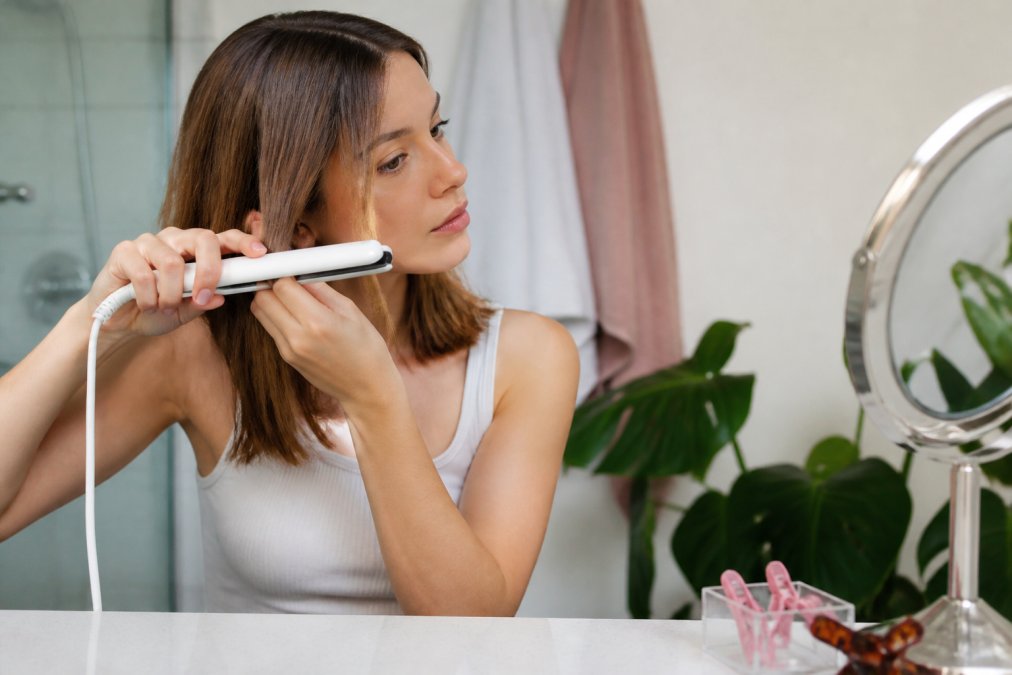
A mini hair straightener review for fine hair starts with one hard truth: fine strands punish heat. Fine hair has less structural protein per strand, so it scorches faster than medium or coarse textures at the same temperature. This guide is built around plate coatings, heat control, and plate width, the three specs that actually protect delicate hair. Below, we break down the models worth buying and the settings that keep fine hair smooth instead of fried.
| Model | Plate Size | Top Temp | Voltage | Best For |
|---|---|---|---|---|
| GHD Mini Professional Styler | 0.5 in ceramic | 365°F | Standard | Short layers, precision |
| BaBylissPRO Nano Titanium Mini | 0.5 in titanium | 430°F | Dual | Travel and touch-ups |
| CHI 0.75" Ceramic Mini | 0.75 in ceramic | Fixed | Dual | Bangs, gentler heat |
| Remington Shine Therapy | 1 in ceramic | 410°F | Standard | Budget shine |
| Conair Double Ceramic | 1 in ceramic | Multi-setting | Standard | Adjustable everyday use |
GHD Mini Professional Styler: Precision for Short Layers
The GHD Mini Professional Styler is the best mini hair straightener for fine hair that needs root-level precision, thanks to its 0.5-inch ceramic plates and a fixed 365°F styling temperature. That single temperature sits in the safer range for fine textures, which is why stylists lean on it for short layers and face-framing pieces. Consistent heat distribution means fewer passes, and fewer passes means less cumulative heat damage. The tradeoff is real: at $199, it costs more than most full-size irons. The rounded barrel also lets you curve ends instead of leaving them flat and lifeless.
BaBylissPRO Nano Titanium Mini: The Travel-Ready Pick
Travelers get the most from the BaBylissPRO Nano Titanium Mini, a 0.5-inch titanium-plate iron with dual voltage that handles international outlets without a converter. Titanium heats up fast and transfers heat efficiently, so fine sections smooth out in one or two passes. It climbs to 430°F, which is hotter than fine hair needs; keep it low if your model allows. At $44.99, it is the practical choice for styling on the go. The compact design and lightweight body fit a carry-on easily. One honest limitation: the small plates require more passes on thick sections, though fine hair rarely has that problem.
CHI 0.75-Inch Ceramic Mini: Gentle Heat for Delicate Hair
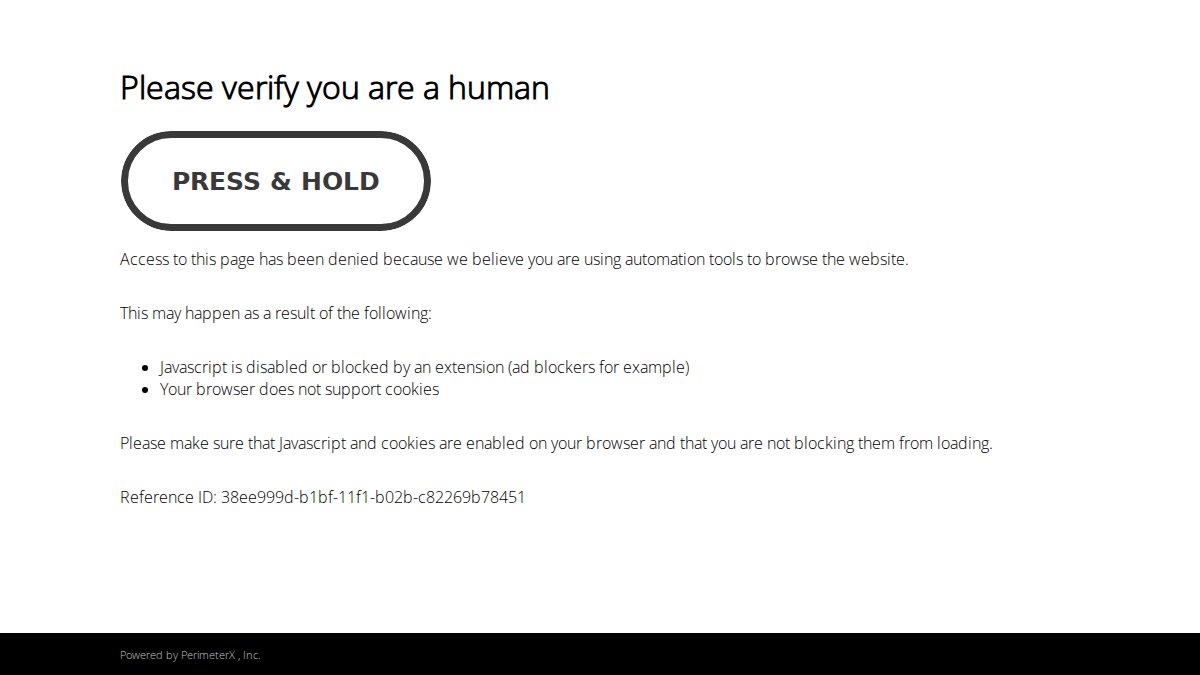
Delicate hair benefits most from the CHI 0.75" Ceramic Mini, which uses ceramic plates to spread heat evenly and avoid the hot spots that cause breakage. The 0.75-inch plate width sits between a true mini and a full-size iron, giving you enough surface for bangs and short layers without the bulk. Dual voltage adds travel flexibility, and the ergonomic grip keeps your wrist steady during precision styling. The drawback: it lacks adjustable heat settings, so you cannot dial the temperature down for very fragile strands. At $59.99, it is a fair middle ground for anyone who wants ceramic gentleness without a premium price.
Budget-Friendly Options: Remington and Conair
Budget shoppers can still get safe results. The Remington Shine Therapy Flat Iron, at $24.99, pairs ceramic plates infused with keratin and argan oil with digital controls up to 410°F, a 15-second heat-up, and auto shut-off. The infused plates add shine, which fine hair usually needs. The Conair Double Ceramic Flat Iron, at $19.99, offers multiple heat settings and a 30-second heat-up, so you can start low and adjust. Its build quality is basic next to professional tools, but the adjustable heat is the feature that matters most for fine hair. Both are full-size irons rather than minis, so they suit at-home use more than a gym bag.
Ceramic vs Titanium Plates for Fine Hair
Most mini straightener roundups list plate material as a bullet point and move on. For fine hair, the material is the single biggest variable in whether a strand glides smooth or snaps, so it deserves the full explanation.
How each material actually moves heat. Ceramic is a poor conductor that heats slowly and releases energy evenly across the plate face. That slow, even release is why ceramic is the default recommendation for fine hair: no hot stripe, no cold corner, no need to clamp and re-clamp the same section. Titanium is the opposite, it conducts heat almost instantly, which is why titanium irons reach temperature in seconds and recover fast after each pass. That speed is a gift for coarse, resistant hair and a liability for fine hair, because a titanium plate at the same dial setting delivers more heat to the strand in less time.
Tourmaline and ionic coatings. Tourmaline is a crystalline mineral added to ceramic plates; when heated it emits negative ions that help close the cuticle and cut static, which is why fine hair looks smoother and less flyaway after a pass. Many "ceramic" irons are actually ceramic-coated metal, the coating is thin and can wear through over years of use, exposing the hotter core underneath. A solid ceramic or a tourmaline-ceramic plate is the safer long-term buy for fragile strands.
Temperature thresholds that matter for fine hair. Fine hair has less structural protein per strand, so it tolerates a narrower heat window than medium or coarse textures. A practical working range most stylists land on for fine hair is roughly 250°F to 320°F for a single slow pass, with 350°F treated as an upper ceiling for resistant sections rather than a starting point. An iron that cannot be dialed below about 300°F is a poor match for fine hair no matter how good its plates are. This is the spec to check before plate size or color.
The weight and ergonomics angle nobody covers. Fine hair often needs more passes per section than coarse hair, which means the tool stays in your hand longer and your wrist does more work. Mini irons are marketed as light, but a 0.5-inch plate forces you to cover the same head in more strokes. Over a full styling session that adds up to hand and forearm fatigue, and fatigue is when people start clamping harder and dragging faster, the exact habits that cause breakage. A mini with a balanced body and a grip that sits naturally in your hand will do more for your hair than a marginally gentler plate on a tool you fight with.
The U.S. Food and Drug Administration guidance on cosmetic product safety is a useful starting point for understanding how heat tools are regulated.
How to Straighten Fine Hair Without Damage
Every guide says use low heat and a protectant. Fine hair needs more precision than that, because the margin between smooth and scorched is narrower than it is for any other texture. Here is the fine-hair-specific version.
Start bone dry, and mean it. Ironing damp hair boils the water inside the strand, and the resulting steam pressure weakens the cuticle from the inside.
For broader safety guidance on heat styling tools, the U.S. Consumer Product Safety Commission publishes recalls and safety notices worth checking before you buy.
Best Heat Protectant for Fine Hair
The best heat protectant for fine hair is a lightweight, non-greasy spray that coats each strand without weighing it down.
Frequently Asked Questions
What type of straightener is best for fine, thin hair?
For fine, thin hair, a mini straightener with ceramic or tourmaline plates and adjustable temperature control works best. Ceramic plates distribute heat evenly and are gentler than titanium on delicate strands. Look for a tool with a low heat setting (around 300°F to 350°F) and a plate width of 0.5 to 0.75 inches for precision styling without excessive heat exposure.
What temperature should I use on a mini straightener for fine hair?
Fine hair typically straightens well between 300°F and 350°F. Anything above 400°F increases the risk of heat damage, breakage, and flyaways. Start at the lowest effective setting and work upward only if needed. Tools with adjustable heat settings, like the Remington Shine Therapy, let you fine-tune the temperature for your hair texture.
Are ceramic or titanium plates better for fine hair?
Ceramic plates are generally better for fine hair because they heat evenly and reduce hot spots that can cause damage. Titanium plates heat faster and maintain higher temperatures, which can be too aggressive for delicate strands unless the tool has adjustable settings. Tourmaline and ionic technology add frizz reduction benefits. If you choose titanium, keep the temperature under 350°F.
Do mini hair straighteners work well on fine hair?
Yes, mini straighteners work very well on fine hair. Their narrow plates (0.5 to 0.75 inches) let you style close to the roots, handle short layers, and create precise bends without flattening volume. They are also lighter and easier to maneuver than full-size irons. The trade-off is that you may need more passes on thicker sections, so stick to small subsections for the best sleek finish.
How do I prevent heat damage when using a mini straightener?
Always apply a heat protectant designed for fine hair before styling. Keep the temperature at or below 350°F, and avoid passing the iron over the same section more than once or twice. Use a tool with auto shut-off and ceramic plates for even heat distribution. Let hair cool completely before touching it, and deep condition weekly to maintain hair health.
Fine hair does not have to mean fragile results. The right mini hair straightener, paired with a low heat setting and a lightweight protectant, keeps strands smooth without the breakage. Hutch's Beauty Boutique brings beauty tools, wellness items, and daily essentials together in one catalog, so you can find a straightener and a heat protectant in the same order. Explore the collection and build a routine that treats fine hair gently.


