Table of Contents
- Why Verifying Online Beauty Product Quality Matters
- Step 1: Verify the Product Comes From an Authorized Beauty Retailer
- Step 2: Inspect Packaging Integrity and Labeling Accuracy
- Step 3: Use a Beauty Product Batch Code Checker to Verify Authenticity
- Step 4: How to Check Skincare Expiration Dates and Shelf Life
- Step 5: Analyze the Ingredient List for Red Flags
- Understanding the Dangers of Counterfeit Makeup
- Conclusion
Last Updated: August 6, 2026
Why Verifying Online Beauty Product Quality Matters
Counterfeit cosmetics flood e-commerce platforms, and without proper verification, it's easy to end up with products that damage your skin or simply don't work. At Hutch's Beauty Boutique, we understand how important it is to know exactly what you're purchasing. Counterfeit products often contain harmful ingredients, incorrect concentrations of active compounds, or contaminated formulations that cause allergic reactions, irritation, or long-term skin damage. This guide walks you through five concrete steps to verify that the beauty products you're buying are authentic, safe, and worth your investment.
Step 1: Verify the Product Comes From an Authorized Beauty Retailer
The simplest way to ensure product authenticity is to buy from authorized retailers. Most beauty brands maintain official lists of approved sellers on their websites.
Finding and Confirming Authorized Retailers
Before purchasing from any online retailer, check whether they appear on the brand's authorized retailer list:
- Visit the brand's official website and look for an "authorized retailers" or "where to buy" page, usually in the footer or customer service section.
- Search for the specific retailer name on that list, verifying authorization for the specific product you're buying.
- If the retailer isn't listed, contact the brand directly through official channels (phone, email, or official social media) to confirm authorization status.
- For third-party sellers on major platforms (Amazon, eBay, Walmart Marketplace), check whether the seller is listed as "sold and shipped by [Brand Name]" rather than a third-party reseller.
Understanding Gray-Market and Unauthorized Distributor Products
Gray-market products are authentic items sold through unauthorized distribution channels. While genuine, they carry risks:
- No warranty coverage: Many brands void warranties on gray-market products.
- Unknown storage conditions: Products may have been stored improperly, compromising ingredient stability.
- No batch tracking: Unauthorized distributors don't maintain quality control records, making it harder to trace products if safety issues emerge.
- Potential age: Gray-market inventory may be older stock.
To avoid gray-market products, purchase directly from the brand's official website or retailers explicitly listed on the brand's authorization page.
Pricing as a Verification Signal
Authorized retailers typically maintain pricing aligned with manufacturer suggested retail prices (MSRP). Suspiciously low prices, often 30% to 50% below MSRP, frequently indicate gray-market stock or counterfeit products. Authorized retailers clearly label legitimate promotions and maintain consistent pricing across their site.
Verification Signals on Retailer Websites
Look for these indicators that a retailer is legitimate and authorized:
- Official brand partnerships listed in footer information: Authorized retailers prominently display brand logos or "official retailer" badges.
- Direct brand attribution on product pages: Product pages should include official brand descriptions and ingredient lists matching the brand's website exactly.
- Clear supply chain transparency statements: Look for language like "direct from manufacturer" or "authorized distributor."
- Consistent contact information and physical address: Legitimate retailers provide verifiable business information.
- Secure checkout and return policies: Authorized retailers offer secure payment options and clear return policies aligned with brand standards.
Step 2: Inspect Packaging Integrity and Labeling Accuracy
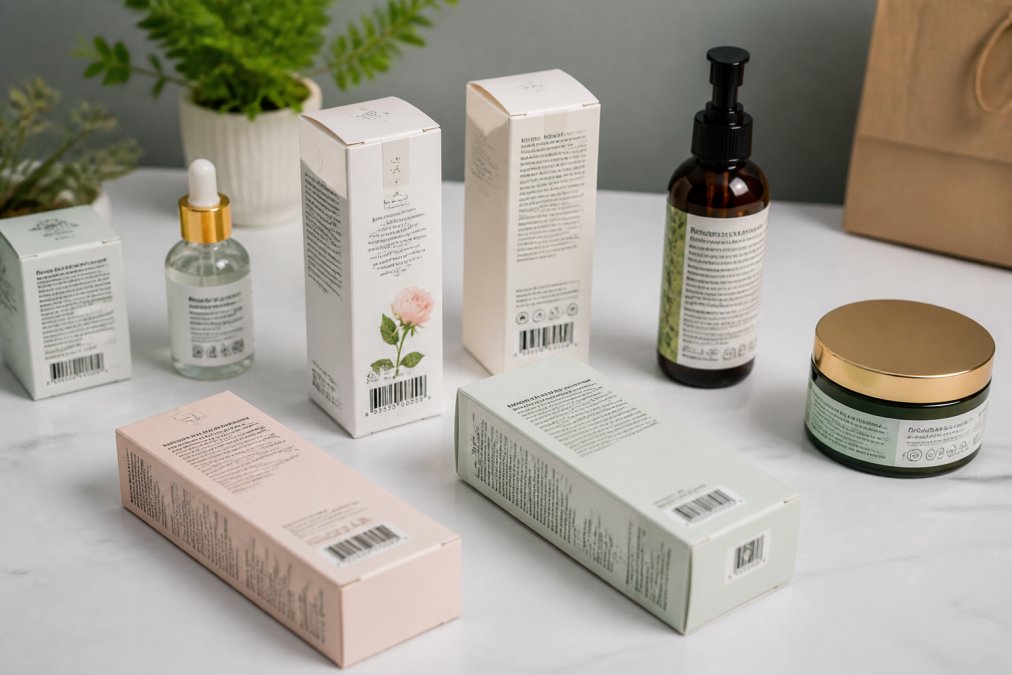
Counterfeit products often reveal themselves through packaging flaws. Examine the physical box or bottle for misaligned text, inconsistent font sizes, spelling errors on labels, or poor print quality. Legitimate manufacturers maintain strict quality control standards for packaging.
Check the barcode carefully. Scan it with your phone's barcode app to verify it matches the product listed. Legitimate barcodes link to correct product information; counterfeit barcodes either don't scan or link to incorrect products.
Look at the ingredient list formatting. Professional beauty brands use consistent formatting, proper chemical nomenclature, and list ingredients in descending order by weight. The font should be legible and evenly spaced. Ingredients should match what appears on the brand's official website.
Examine the expiration date or batch code placement. These should be printed clearly in designated areas, not handwritten or applied as stickers. The format should match what you see on the brand's official product images.
Step 3: Use a Beauty Product Batch Code Checker to Verify Authenticity
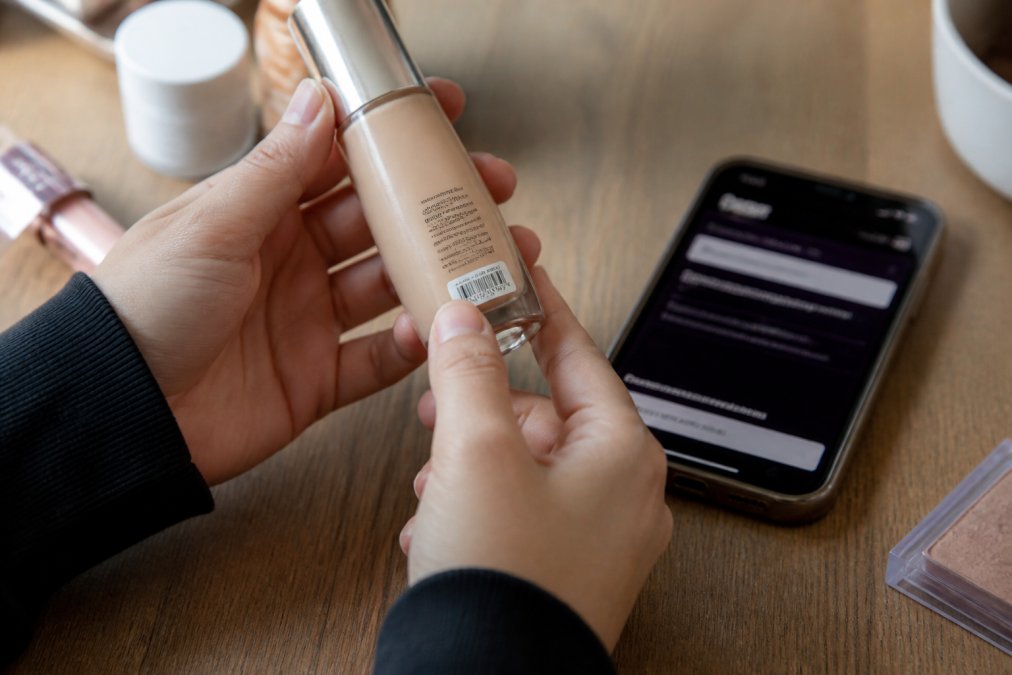
Most legitimate beauty brands encode batch codes into their products. These alphanumeric codes reveal manufacturing date, facility, and batch number. A beauty product batch code checker decodes this information and confirms the product's authenticity.
Locate the batch code on your product, typically printed on the box, the product container, or both. The code format varies by brand but usually appears as a combination of letters and numbers. Many brands provide online batch code checkers on their official websites where you can enter this code and receive instant verification.
Enter the batch code into the brand's official checker tool. Legitimate products will return manufacturing date information, facility location, and batch details. If the checker doesn't recognize the code, the product is likely counterfeit. Some brands provide batch code lookup through their customer service teams if their online tool isn't available.
Step 4: How to Check Skincare Expiration Dates and Shelf Life
Every beauty product has a shelf life, a period during which the product remains safe and effective. Understanding how to verify expiration dates involves locating the manufacturing date, understanding the expiration date or "period after opening" (PAO) symbol, and calculating how much shelf life remains before purchase.
Understanding Date Markers on Beauty Products
Beauty products display two types of date information:
-
Manufacturing date (encoded in batch codes): This tells you when the product was manufactured. Manufacturers encode this information in batch codes, alphanumeric sequences printed on the box, container, or both, often abbreviated as "Lot #," "Batch," or a code like "A1B2C3."
-
Expiration date or PAO symbol: The expiration date indicates when the product should no longer be used. This appears as a specific date (e.g., "EXP 06/2027") or as a "period after opening" (PAO) symbol, a small jar icon with a number followed by the letter M (for months). A "12M" symbol means the product is safe for 12 months after you open it.
Decoding Batch Codes to Find Manufacturing Dates
To verify a product's age:
- Locate the batch code: Check the product box, the container bottom, or the back label.
- Visit the brand's official batch code checker: Search "[Brand Name] batch code checker" or look in the customer service section of their site.
- Enter the batch code: Input the exact code into the decoder. Legitimate products will return manufacturing date information, facility location, and batch details.
- If no online decoder exists: Contact the brand's customer service via phone, email, or social media with the batch code. Legitimate brands respond within 24-48 hours.
- If the batch code is unrecognized: Do not use the product. This indicates counterfeit merchandise. Return it immediately and request a refund.
Calculating Product Age and Remaining Shelf Life
Once you know the manufacturing date, calculate how old the product is:
- For sealed products: Most skincare and makeup products remain safe for 24-36 months from the manufacturing date if stored properly (cool, dry conditions, away from direct sunlight).
- For opened products: The PAO symbol determines shelf life after opening. A "12M" symbol means the product is safe for 12 months after you first open it. Write the opening date on the container with a permanent marker.
- Age at purchase: Calculate how long the product has been in warehouses and retail inventory. A product manufactured 18+ months ago (for most skincare) or 24+ months ago (for makeup) is approaching the end of its safe shelf life.
Shelf Life by Product Type
- Serums and lightweight formulations: 12-18 months after opening.
- Creams and heavier formulations: 12-24 months after opening.
- Foundations and liquid makeup: 12-18 months after opening.
- Powders, bronzers, and eyeshadows: 24-36 months after opening.
- Sunscreen: 3 years from manufacturing date, or 12 months after opening.
Red Flags in Date Information
Watch for these warning signs:
- Handwritten or sticker-applied dates: Legitimate manufacturers print dates directly on packaging.
- Mismatched date formats: If the expiration date format doesn't match the brand's official product images, the packaging may be counterfeit.
- Missing PAO symbol or expiration date: Most legitimate brands include PAO symbols for consumer convenience.
- Batch code that doesn't match the brand's format: Each brand uses a specific batch code format.
Step 5: Analyze the Ingredient List for Red Flags
Understanding ingredient analysis helps you spot counterfeit products and assess safety. Compare the ingredient list on your purchased product against the official ingredient list from the brand's website. They should match exactly, including the order of ingredients (which must be listed by descending concentration).
Look for these red flags: unlisted ingredients that don't appear on the official version, missing key active ingredients, or ingredients listed in a different order than the official formulation. These discrepancies indicate the product wasn't manufactured through official channels.
Check the ingredient names for proper nomenclature. Legitimate beauty products use INCI (International Nomenclature of Cosmetic Ingredients) naming standards. Counterfeit products often use imprecise ingredient language to hide inferior or harmful substitutions.
Assess the concentration of active ingredients. If the product claims to contain 10% vitamin C but the ingredient list shows vitamin C near the bottom, the formulation doesn't match the marketing claims.
Research any unfamiliar ingredients using resources like the FDA's cosmetic ingredient database to verify that listed ingredients are approved for use in cosmetics. Check for potential allergens or irritants that might affect your skin type.
Understanding the Dangers of Counterfeit Makeup
Counterfeit cosmetics represent a genuine health risk. Unlike legitimate products that undergo dermatological safety testing and regulatory compliance checks, counterfeit products bypass these protections entirely.
Counterfeit makeup frequently contains harmful substances. Heavy metals like lead, cadmium, and arsenic have been found in counterfeit beauty products at levels far exceeding safety limits. These toxins accumulate in the body over time and can cause neurological damage and organ dysfunction. Counterfeit products may also contain bacterial contamination from unsanitary manufacturing conditions, leading to infections when applied to skin or eyes.
Ingredient substitution is widespread in counterfeit products. A counterfeit foundation might replace expensive pigments with cheaper alternatives that cause irritation. Counterfeit sunscreen might contain ineffective UV filters, leaving skin unprotected. Counterfeit serums might substitute active ingredients with fillers, delivering no therapeutic benefit while introducing harmful substances.
Allergic reactions and dermatological damage are common outcomes of using counterfeit beauty products. The skin is highly permeable, especially around the eyes and on the face. Harmful ingredients can penetrate the skin barrier and trigger reactions ranging from mild irritation to severe allergic responses. Some counterfeit products have caused permanent skin damage, including scarring and pigmentation changes.
Verifying online beauty product quality protects your health and ensures you're getting products that actually work. The five-step process, checking authorized retailers, inspecting packaging, using batch code checkers, verifying expiration dates, and analyzing ingredients, creates multiple verification layers that catch counterfeit products before they reach your skin.
At Hutch's Beauty Boutique, we're committed to offering a curated selection of authentic beauty products sourced through authorized channels. Our easy-to-navigate online catalog makes it simple to find trending beauty tools and genuine skincare essentials without worrying about counterfeit merchandise. When you shop with us, you're investing in products that have passed rigorous verification standards and deliver the results you expect.
| Verification Method | What It Checks | Time Required | Reliability |
|---|---|---|---|
| Authorized retailer verification | Source legitimacy | 2-3 minutes | Very high |
| Packaging inspection | Manufacturing quality and accuracy | 5-10 minutes | High |
| Batch code checker | Product authenticity and manufacturing date | 3-5 minutes | Very high |
| Expiration date review | Product safety and shelf life | 1-2 minutes | High |
| Ingredient analysis | Formula accuracy and safety | 10-15 minutes | High |
Frequently Asked Questions
How can I tell if a beauty product is authentic?
Check three key indicators: verify the seller is an authorized retailer, inspect the batch code using a batch code checker tool, and examine the packaging for professional printing and accurate labeling. Authentic products have consistent font quality, correct spelling, and proper barcode formatting. Compare the product's weight and texture to official descriptions. Counterfeit products often have mismatched colors, blurry logos, or packaging that feels cheap. Always purchase from trusted sources to minimize risk.
What are the risks of using counterfeit beauty products?
Counterfeit makeup and skincare products pose serious health risks. They may contain harmful chemicals, heavy metals, or bacteria that cause skin irritation, allergic reactions, infections, or dermatological damage. Counterfeit products lack regulatory compliance and quality assurance standards, meaning they haven't been tested for safety. Users may experience rashes, breakouts, or worse reactions. Additionally, counterfeit products don't deliver promised results, wasting money and potentially damaging your skin long-term. The dangers of counterfeit makeup are significant enough that dermatologists strongly recommend purchasing only from authorized retailers.
How do I check the batch code on a beauty product?
Locate the batch code on the product packaging, usually on the back or bottom. It's a combination of letters and numbers specific to the manufacturing batch. Enter this code into a brand's official batch code verification tool or a beauty product batch code checker website. The checker will return the manufacturing date and expiration date. If the code doesn't match the brand's records or the checker can't verify it, the product may be counterfeit. Always cross-reference with the product's packaging date to ensure consistency.
How do I know if a beauty retailer is authorized?
Visit the brand's official website and look for their authorized beauty retailers list or find an authorized sellers page. Major brands maintain official lists of retailers permitted to sell their products. Check if the online retailer appears on this list. Be cautious of third-party marketplaces like certain Amazon sellers or eBay vendors, as they often sell counterfeit products. Authorized retailers typically display official branding, have secure checkout processes, and offer return policies. When in doubt, contact the brand directly to confirm whether a retailer is authorized to sell their products.
This article was written using GrandRanker


