Table of Contents
- Facial Cleansing Brush vs Manual Scrubbing: Which Wins?
- How to Use a Facial Cleansing Brush Correctly
- Facial Cleansing Brush Side Effects and Who Should Avoid Them
- Best Practices for Face Washing: Manual Scrubbing Done Right
- Hygiene, Bristle Materials, and Skin Barrier Health
- Microbiome Impact and Sustainability: What Competitors Miss
- Conclusion: Making the Right Choice for Your Skin
- Frequently Asked Questions
Last Updated: September 15, 2026
Facial Cleansing Brush vs Manual Scrubbing: Which Wins?
The facial cleansing brush vs manual scrubbing debate comes down to one practical question: does the tool clean better than your hands? A facial cleansing brush is a powered or manual device with bristles that dislodge oil, dead skin cells, and makeup through mechanical exfoliation. Manual scrubbing relies on fingertips alone. For most people, a brush delivers a deeper clean, but hands win on gentleness and cost.
Shoppers weigh this choice constantly, and the honest answer depends less on the device and more on your skin. The American Academy of Dermatology's face washing guidance is clear that gentle cleansing matters more than force.
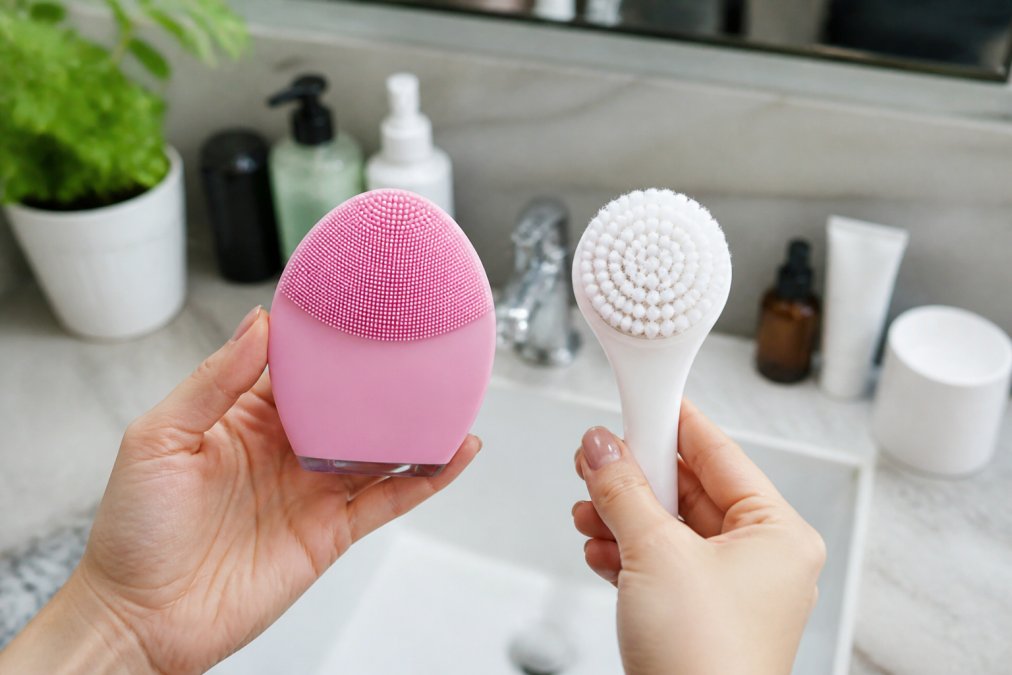
Here's the short version. Electric cleansing devices remove more sebum and product residue, which can improve product absorption. Manual scrubbing gives you total control and zero risk of over-exfoliation from vibration. Neither is universally better.
| Factor | Facial Cleansing Brush | Manual Scrubbing |
|---|---|---|
| Cleaning depth | Deep pore cleansing | Surface level |
| Cost | Higher upfront | Free |
| Risk of irritation | Higher if overused | Lower |
| Best for | Oily, congested skin | Sensitive, reactive skin |
Winner: a facial cleansing brush for oily or congested skin that needs deep pore cleansing. Choose manual scrubbing if your skin is sensitive, dry, or prone to irritation. Most people can use a brush two to three times a week and hands the rest.
How to Use a Facial Cleansing Brush Correctly
Using a facial cleansing brush correctly takes about 60 seconds and comes down to four variables: device type, cleanser choice, pressure, and duration. Get those right and the tool does the work; get them wrong and you are paying for irritation.
Start by matching the technique to the device. A sonic brush, the kind that oscillates at high frequency with a small amplitude, is designed to be held still and glided slowly, letting the vibration loosen sebum and dead cells. A rotating brush spins a head against your skin and needs even less dwell time because the head is actively scrubbing. A manual silicone brush has no motor at all, so it behaves more like an upgraded washcloth: you supply all the motion, which means you also control the pressure completely.
The sequence:
- Wet your face with lukewarm water. Hot water strips lipids from the barrier before the brush even touches your skin.
- Apply a gentle, non-foaming cleanser directly to the brush head or to your fingertips. Foaming cleansers plus mechanical action is a common recipe for tightness.
- Glide the brush in slow upward and outward circles, avoiding the eye area and the lips. On a sonic device, do not press, rest the bristles on the skin and let the motor work.
- Cap it at 60 seconds total. Most practitioners find that 30 seconds per zone is plenty; longer does not clean deeper, it just exfoliates more.
- Rinse thoroughly, pat dry, and clean the brush head immediately.
The mistake most people make is pressing hard. Pressure plus vibration is what causes irritation, not the device itself. If your skin feels tight or looks red afterward, you used too much pressure, too high a speed, or too long a session, in that order of likelihood.
A few device-specific notes worth knowing. Replace nylon brush heads every three months, or sooner if the bristles splay, splayed bristles trap more residue and scrub unevenly. Silicone heads can go longer because they resist bacterial buildup and wipe clean, but they still need a rinse after every use. And never use a cleansing brush on the same day as a chemical exfoliant, a retinoid, or a clay mask; stacking mechanical and chemical exfoliation is the fastest route to a compromised barrier.
If you wear heavy makeup or sunscreen, a common pattern is to double cleanse: remove the bulk with an oil cleanser and your hands first, then use the brush for the second pass. That way the brush is exfoliating clean skin, not grinding pigment and product into your pores.
Facial Cleansing Brush Side Effects and Who Should Avoid Them
Facial cleansing brush side effects include redness, stinging, tightness, flaking, and flare-ups, and they almost always trace back to over-exfoliation. Mechanical exfoliation strips the skin barrier when overdone, and a damaged barrier means more sensitivity, not less, the opposite of what most people are chasing.
The FDA's guidance on cosmetic product safety reminds shoppers that even gentle devices can irritate compromised skin. What most guides skip is the condition-by-condition breakdown, because "sensitive skin" is not one thing.
Rosacea. Powered rotating brushes are the worst fit here. The spinning head generates friction and heat, both of which are known triggers for flushing and papules. A silicone sonic brush on the lowest speed, used no more than once a week, is the safer powered option, and many people with rosacea do better skipping powered devices entirely and using fingertips. Avoid any brush during an active flare.
Eczema and atopic dermatitis. Skip powered brushes during flares and treat them cautiously even between flares. The barrier in eczema-prone skin is already compromised, so mechanical exfoliation removes the little protection that remains. If you do use a brush, choose silicone over nylon, keep it to once a week, and follow immediately with a thick moisturizer while the skin is still damp.
Active acne. This is the most misunderstood category. A brush can help with congested, non-inflamed skin, but it can worsen inflammatory acne by rupturing pustules and spreading bacteria across the face. Never use a brush on open lesions, and avoid nylon bristles, which trap bacteria more readily than silicone. If your acne is cystic or widespread, manual cleansing with fingertips is the safer baseline until a dermatologist weighs in.
Very dry or dehydrated skin. Mechanical exfoliation pulls moisture from an already dry barrier. Use a brush at most once a week, or not at all during winter or dry-climate months.
A practical rule: if your skin stings when you apply a plain moisturizer, your barrier is already compromised. Put the brush away until that stops. Irritation is cumulative, one aggressive session does not show up immediately, but three in a week will.
Best Practices for Face Washing: Manual Scrubbing Done Right
The best practices for face washing are simple: clean hands, lukewarm water, a gentle cleanser, and 30 to 60 seconds of light circular motion. Done right, manual scrubbing handles daily cleansing without stressing your skin barrier.
Most people overwash. Twice a day is plenty for most skin types; once is enough for dry or sensitive skin.
Hygiene, Bristle Materials, and Skin Barrier Health
| Bristle Material | Bacterial Buildup | Best For |
|---|---|---|
| Silicone | Low, easy to sanitize | Sensitive, acne-prone skin |
| Nylon | Higher, needs replacing | Deep exfoliation |
| Synthetic (manual) | Moderate, wash weekly | Budget routines |
Microbiome Impact and Sustainability: What Competitors Miss
Conclusion: Making the Right Choice for Your Skin
Frequently Asked Questions
Do dermatologists recommend facial cleansing brushes?
Many dermatologists recommend facial cleansing brushes for certain skin types, especially those with oily or acne-prone skin, because the device can remove more makeup, sebum, and dead skin cells than hands alone. However, dermatologists also caution that overuse can damage the skin barrier. If you have sensitive skin, rosacea, or active breakouts, a dermatologist may suggest limiting use to once or twice a week or sticking to manual cleansing with a soft cloth.
What is the most effective tool to wash your face with?
The most effective tool depends on your skin. A facial cleansing brush with soft silicone or nylon bristles can provide deeper pore cleansing and improve product absorption, but manual scrubbing with clean hands or a soft washcloth is gentler and sufficient for most people. For a balance of efficacy and safety, use a brush two to three times per week and hands the rest of the time. Always follow with a moisturizer to support the skin barrier.
Do facial cleansing brushes actually work?
Yes, facial cleansing brushes can work to remove more impurities than manual washing. Studies show that devices with sonic vibration or rotating bristles can reduce sebum and improve skin texture over time. However, results vary by skin type and how you use the brush. Over-exfoliation can lead to irritation, so start slowly and monitor your skin's response. A brush is a tool, not a miracle cure; consistency and proper aftercare matter more than the device itself.
What are the disadvantages of using a facial brush?
Disadvantages include potential skin irritation, over-exfoliation, and bacterial buildup if the brush isn't cleaned regularly. Nylon bristles can harbor bacteria, leading to acne or infections. Silicone brushes are more hygienic but still require washing after each use. Some users experience redness or increased sensitivity. Additionally, electric brushes cost more and need batteries or charging. Manual brushes are cheaper but may not clean as deeply. Always patch-test and follow instructions.
How often should you use a facial cleansing brush?
Most skin types should use a facial cleansing brush two to three times per week. If you have sensitive or dry skin, limit use to once a week or less. Oily skin may tolerate daily use, but watch for signs of over-exfoliation like redness, tightness, or flaking. Always use a gentle cleanser and avoid pressing hard. Alternate with manual cleansing to give your skin barrier a break. Listen to your skin and adjust frequency as needed.


