Table of Contents
- How Cryotherapy Facial Tools Work for Depuffing
- Best Facial Tools for Depuffing: Top Options Compared
- Ice Roller for Face Depuffing: Simple and Effective
- Cryo Sticks vs. Ice Globes: Which Tool Suits You
- How to Use Cryo Facial Tools Correctly
- What Causes Morning Puffiness and When to Seek Help
- Realistic Results and Safety Considerations
- Frequently Asked Questions
Last Updated: October 6, 2026
How Cryotherapy Facial Tools Work for Depuffing
Cryotherapy facial tools depuffing uses cold therapy to reduce puffiness and inflammation around the face and eyes. When you apply cold contact to your skin, blood vessels constrict through a process called vasoconstriction. This temporary narrowing reduces fluid buildup and swelling, making your complexion look fresher and more defined.
The science is straightforward. Cold temperatures calm inflammation and soothe redness (Clinical Applications and Potential Mechanism of Cold Acclimation Therapy). Your skin tightens slightly from the cold, which can brighten your overall complexion. Most people notice visible results within five to ten minutes of use, though the effects are temporary.
Understanding what causes morning puffiness in the first place can help you decide whether a cryotherapy facial tool is the right solution for your situation. Fluid retention, poor sleep, allergies, and salt intake all contribute to facial swelling.
The cooling sensation also feels refreshing and energizing. Unlike warm tools that relax muscles, cold therapy activates your skin and wakes you up. This makes cryotherapy facial tools especially popular as part of morning skincare routines, right after cleansing and before makeup application.
Best Facial Tools for Depuffing: Top Options Compared
The cryotherapy facial tools market offers several distinct formats, each with different benefits and price points. Understanding the differences helps you choose the tool that fits your routine and budget.
| Tool Type | Best For | Price Range | Key Benefit |
|---|---|---|---|
| Premium wands | All-in-one depuffing | $170+ | Multiple functions, precise application |
| LED face masks | Hands-free treatment | $300+ | Cooling + light therapy combined |
| Dual therapy masks | Cold and heat options | $80-$100 | Versatile, reusable design |
| Multi-function tools | Depuffing + massage | $70-$80 | Combines techniques in one device |
| Ice rollers | Budget-friendly cooling | $10-$20 | Simple, effective, affordable |
Therabody TheraFace Depuffing Wand: Premium All-in-One
The Therabody TheraFace Depuffing Wand stands out as a dedicated depuffing device with a professional-grade design. This tool was recognized by Allure as the best overall cryotherapy tool for good reason, it combines cold therapy with precision engineering for targeted under-eye and facial work.
The wand delivers consistent cold contact and allows you to control exactly where you apply pressure. Its ergonomic handle makes it easy to use on delicate under-eye areas without strain. The device maintains cooling temperature throughout your routine, so you get the same depuffing effect on your tenth use as your first.
For anyone serious about reducing morning puffiness, this represents the premium option. The investment pays off if you use it daily and want professional-grade results. The focused design means you're not paying for extra features you won't use, just pure depuffing performance.
Shark Beauty CryoGlow Cooling & LED Face Mask: Hands-Free Option
The Shark Beauty CryoGlow combines cold therapy with LED light technology in a full-face mask format. This hands-free approach means you can depuff while reading, working, or preparing for your day. The mask covers your entire face, making it ideal if you deal with puffiness across multiple areas rather than just under the eyes.
The LED component adds a second benefit beyond depuffing. Different light wavelengths can address redness and skin tone, so you're getting a multi-function treatment in one session. Many users appreciate the spa-like experience of a full-face mask compared to handheld tools.
The trade-off is that this option requires more setup time and space on your face. If you're in a rush or prefer targeted application, a wand or roller might suit you better. The hands-free design shines when you're willing to dedicate five to ten minutes to a complete facial treatment.
The Skincare Tools Cryo-Thermo De-Puffing Mask: Dual Therapy
This reusable mask offers both cold and heat therapy, giving you flexibility to match your skin's needs. Cold therapy reduces puffiness and inflammation, while heat therapy can improve circulation and skin balance. Switching between the two modes within one session creates a complete treatment.
The reusable design makes this option more sustainable than single-use cooling masks. You simply refrigerate it before use, making it convenient for daily routines. The dual-therapy approach appeals to people who want versatility without buying multiple tools.
The main limitation is that heat and cold therapy serve different purposes. If your primary goal is depuffing, you'll spend most of your time in cold mode. The heat component is useful for certain skin conditions, but it's not essential for everyone's routine.
Odacité Cryo-Tech Facial Tool: Multi-Function Pick
The Odacité Cryo-Tech combines three techniques in one handheld device: cryotherapy, gua sha, and acupressure. This multi-function approach appeals to people who want depuffing plus facial sculpting and massage benefits. The cold contact works for puffiness while the gua sha and acupressure techniques help define facial contours.
Marie Claire recognized this tool as a standout depuffing pick, specifically because it delivers multiple benefits without requiring a separate purchase for each technique. If you're interested in facial massage alongside cold therapy, this eliminates the need for two tools.
The learning curve is slightly steeper than with a simple ice roller, but once you understand how to use each function, you get more comprehensive results. The tool's versatility makes it valuable if you want to address puffiness, redness, and facial definition in one routine.
Ice Roller for Face Depuffing: Simple and Effective
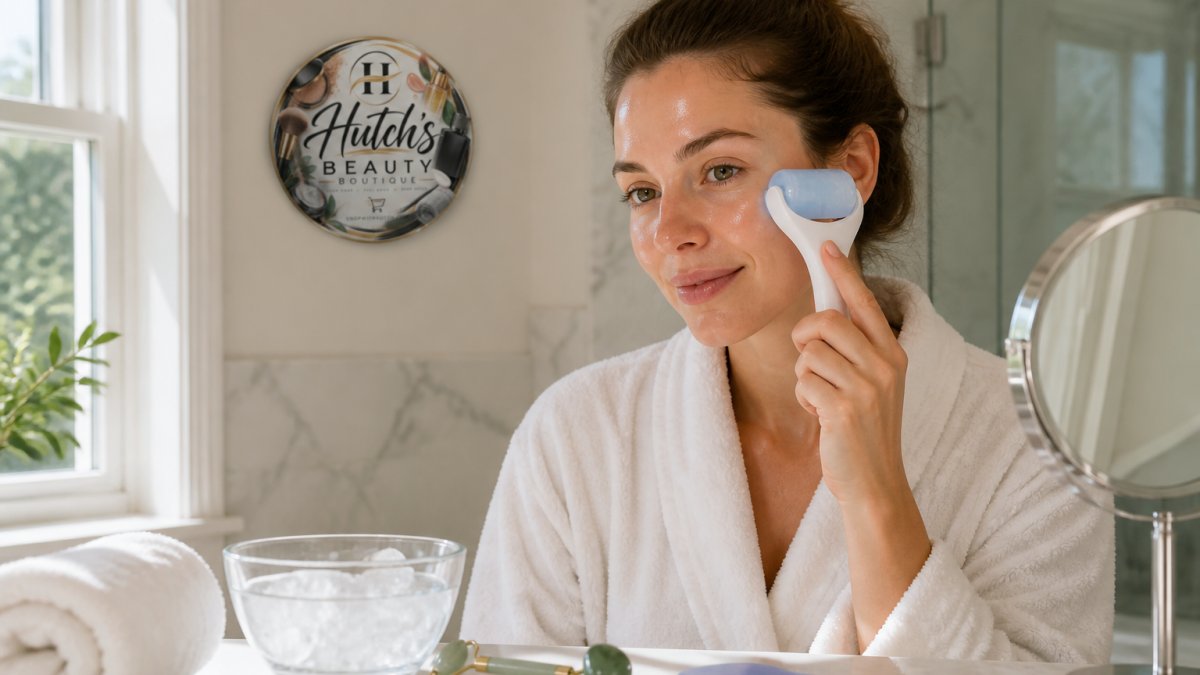
Ice rollers represent the simplest and most affordable approach to cryotherapy facial tools depuffing. The Maange Ice Roller and similar budget options deliver cold therapy without electronics or complex features.
The simplicity is actually a strength. There's nothing to charge, no settings to adjust, and no learning curve. Roll it gently under your eyes, across your cheeks, and along your jawline for two to three minutes.
InStyle noted that ice rollers effectively depuff and soothe skin, making them an excellent entry point if you're new to cryotherapy facial tools. Many people keep a roller in the freezer and use it every morning as part of their skincare routine.
The trade-off is that ice rollers cool down gradually, so your treatment gets less effective as you use it. You're also limited to rolling motions rather than targeted pressure. For basic depuffing, though, ice rollers deliver solid results at minimal cost.
Cryo Sticks vs. Ice Globes: Which Tool Suits You
Cryo sticks and ice globes are specialized cold therapy tools designed for precision work. Understanding their differences helps you choose the right format for your routine.
Cryo sticks are elongated, wand-like tools with a pointed or flat tip. They excel at targeting small areas like the under-eye zone, the bridge of your nose, or specific spots where puffiness concentrates. The narrow design lets you apply cold therapy exactly where you need it without cooling your entire face.
Ice globes are larger, rounded tools that cover more surface area. They're ideal if you experience puffiness across your cheeks, forehead, or entire face. The globe shape distributes cold evenly and works well for gentle rolling motions. Many people prefer the soothing sensation of a larger, cooler surface.
The choice depends on your puffiness pattern. If swelling concentrates around your eyes, a cryo stick offers better precision. If puffiness spreads across your face, ice globes provide more efficient coverage. Some people keep both on hand for different needs.
Both formats require freezing before use, similar to ice rollers. They're affordable, durable, and require no maintenance beyond occasional cleaning. The main difference is application method, precision versus coverage.
How to Use Cryo Facial Tools Correctly
Using cryotherapy facial tools properly maximizes results and prevents skin irritation. Start with clean, dry skin. Any moisture on your face can reduce contact between the tool and your skin, making the treatment less effective.
Apply the cold tool gently, using light pressure. You're not trying to massage aggressively, cold therapy works through contact, not friction. Spend two to three minutes on your face, focusing on areas where you experience puffiness.
Move the tool slowly and deliberately. Rushing the process reduces the cooling effect. A slow, steady approach gives the cold time to work on inflammation and fluid retention.
Avoid applying cold tools directly to irritated, broken, or extremely sensitive skin. If you have active rosacea, severe eczema, or open wounds, cold therapy may aggravate your condition.
Use cryotherapy facial tools once daily, typically in the morning. This fits naturally into your skincare routine before moisturizer and makeup.
After treatment, apply your regular skincare products. The cold has temporarily tightened your skin, so moisturizer absorbs well. This is also an ideal time to apply under-eye cream or serums, as the depuffed area shows results more clearly.
What Causes Morning Puffiness and When to Seek Help
Morning puffiness stems from several common causes. Overnight, your body's fluid distribution shifts. Gravity pulls fluid toward your head while you sleep, causing facial swelling that typically resolves as you move around and your body redistributes fluids.
Sleep position matters. Sleeping on your stomach or side can trap fluid in your face. Sleeping on your back reduces facial swelling because gravity works with your body's natural drainage system rather than against it.
Alcohol consumption, high salt intake, and certain medications increase fluid retention. If you drank alcohol the night before or ate salty foods, expect more morning puffiness. Hormonal changes during your menstrual cycle also increase water retention temporarily.
Allergies cause facial swelling that looks similar to regular puffiness but persists longer. If you notice swelling that doesn't improve with cold therapy or that appears alongside itching, sneezing, or congestion, allergies may be the culprit.
Seek medical attention if puffiness persists throughout the day, appears suddenly without an obvious cause, or accompanies other symptoms like pain, redness, or warmth.
Cryotherapy facial tools address temporary, fluid-related puffiness effectively. They're not a treatment for allergies, infections, or systemic conditions.
Realistic Results and Safety Considerations
Cryotherapy facial tools deliver visible but temporary results. The depuffing effect typically lasts two to four hours, depending on what caused the puffiness.
The cooling effect is immediate, you see depuffing within minutes. However, this is vasoconstriction at work, not permanent change.
Some people report that consistent cold therapy use may improve skin firmness and complexion brightness over weeks of daily application. These longer-term effects are subtle and vary from person to person.
Safety considerations are minimal for most people. Cold therapy is well-tolerated and doesn't damage healthy skin. However, certain conditions warrant caution.
Never apply cold tools directly to your eyes themselves, only the surrounding under-eye area. The eye area is delicate, and direct cold contact can cause discomfort.
Hygiene matters with reusable tools. Clean ice rollers and cryo sticks regularly with mild soap and water. Store them in clean conditions to prevent bacterial growth.
Pregnant people can generally use cryotherapy facial tools safely, but it's worth checking with your healthcare provider if you're concerned.
Morning puffiness affects most people at some point, and cryotherapy facial tools offer a straightforward solution.
Frequently Asked Questions
What is the best tool for depuffing the face?
The best cryotherapy facial tool depends on your routine and budget. Dedicated wands like the Therabody TheraFace offer advanced features for serious depuffing, while simple ice rollers work well for quick morning refreshes. Hands-free masks suit people who want passive cooling during skincare. Consider how much time you'll spend on the routine and whether you want multi-function features or single-purpose cooling.
How long should you use a cryotherapy facial tool?
Most cryo facial tools work best in short sessions: 5-10 minutes for ice rollers and cryo wands, 15-20 minutes for cooling masks. Using them longer doesn't increase results and may irritate sensitive skin. Start with 5 minutes and adjust based on how your skin feels. Morning routines fit easily into this timeframe, making cryotherapy practical for daily use.
Are ice rollers or ice globes better for facial puffiness?
Ice rollers and ice globes both reduce puffiness through cold contact and gentle massage. Rollers cover larger areas faster and work well for cheeks and jawline. Ice globes target smaller zones like under-eye bags with precision. Choose based on your problem areas: use rollers for broad depuffing or globes for concentrated under-eye work. Many people benefit from using both.
Is cryotherapy good for your face?
Cryotherapy facial tools are safe for most skin types and can temporarily reduce puffiness, soothe redness, and create a refreshed appearance. Results are temporary, typically lasting a few hours. Avoid use on broken skin, severe acne, or if you have cold sensitivity. Always allow tools to reach proper temperature and follow hygiene practices by cleaning them regularly to prevent bacterial buildup.


