Table of Contents
- Best Beauty Tools for Sensitive Skin: Our Top Picks
- How We Evaluated These Tools
- NuFace Trinity+: Microcurrent Toning for Gentle Lifting
- Natural Stone Rollerballs: The Gentlest Facial Roller for Sensitive Skin
- CurrentBody LED Red Light Therapy Mask: Safe LED Face Mask for Sensitive Skin
- ZIIP Halo: Premium Microcurrent for Reactive Skin
- Mount Lai Gua Sha Tool: Manual Lymphatic Drainage Without Friction
- Tinkle Dermaplaning Tool: Budget-Friendly Exfoliation for Sensitive Skin
- Frequently Asked Questions
Last Updated: October 10, 2026
Best Beauty Tools for Sensitive Skin: Our Top Picks
If your skin reacts to most products with redness, burning, or tightness, you're not alone. Sensitive skin needs beauty tools designed with care, not aggression. This guide breaks down the best beauty tools sensitive skin types actually tolerate, with honest assessments of what works and what to skip.
Quick Comparison Table
| Tool | Type | Best For | Key Benefit |
|---|---|---|---|
| NuFace Trinity+ | Microcurrent | Gentle toning | Non-invasive lifting without heat or friction |
| Natural Stone Rollerballs | Manual roller | Soothing relief | Zero electricity, zero irritation risk |
| CurrentBody LED Red Light | LED therapy | Calming inflammation | Red wavelengths reduce redness naturally |
| ZIIP Halo | Microcurrent | Reactive skin | Adjustable intensity for sensitive users |
| Mount Lai Gua Sha | Manual tool | Lymphatic drainage | Gentle massage without vibration |
| Tinkle Dermaplaning | Manual exfoliator | Budget option | Removes dead skin gently, affordable |
How We Evaluated These Tools
We assessed each tool on four core criteria: irritation mechanism, evidence of results, condition-specific contraindications, and a repeatable introduction protocol.
Irritation mechanism comes down to how the tool interacts with your skin. High-frequency vibration (200+ Hz), intense heat (above 104°F), or abrasive scrubbing trigger sensitivity. Gentle microcurrent (0.3-0.5 mA), passive cooling, or non-contact light therapy work better.
Evidence matters. LED red light therapy (600-700 nm) has peer-reviewed support for reducing inflammation. Microcurrent shows measurable muscle response but requires 4-6 weeks for visible results. Manual tools work through circulation and lymphatic drainage with modest results.
Condition-specific contraindications are critical and often overlooked. Some devices should never touch active breakouts, eczema flares, rosacea, or recently compromised barriers. For example:
- Rosacea: Avoid heat-based devices, high-frequency vibration, and intense LED (blue or infrared). Red light is generally tolerated, but start cautiously.
- Active acne or breakouts: Skip manual exfoliation (dermaplaning, gua sha) and vibrating cleansing brushes, which can spread bacteria and worsen inflammation. Microcurrent and red LED are safer.
- Eczema or dermatitis flares: Avoid all friction-based tools and heat. Manual rollers (jade, rose quartz) and passive red LED are lowest-risk.
- Post-procedure skin (chemical peels, laser, microneedling): Wait 48-72 hours minimum before introducing any tool. Start with passive cooling (rollers) only.
- Compromised or severely inflamed barrier: Pause all tools except unheated manual rollers until redness and sensitivity subside (typically 1-2 weeks).
Introduction protocol prevents barrier damage from aggressive devices. Patch test on inner forearm for 1-2 minutes at lowest setting, then observe for 24 hours. If clear, move to a small facial patch (jawline or temple) for 2-3 minutes and wait 24 hours again.
NuFace Trinity+: Microcurrent Toning for Gentle Lifting
The NuFace Trinity+ uses microcurrent to stimulate facial muscles without heat, vibration, or abrasion. Low-level electrical currents prompt subtle muscle contraction, creating a lifting effect over time. For sensitive skin, the appeal is mechanical: no scrubbing, no heat, no chemical irritation. An InStyle tester with sensitive, combination skin found it tolerable.
Microcurrent requires consistent use; users typically see subtle improvement after 4-6 weeks. For sensitive skin seeking anti-aging results without invasive procedures, the gentle mechanism makes it worth the commitment.
Natural Stone Rollerballs: The Gentlest Facial Roller for Sensitive Skin
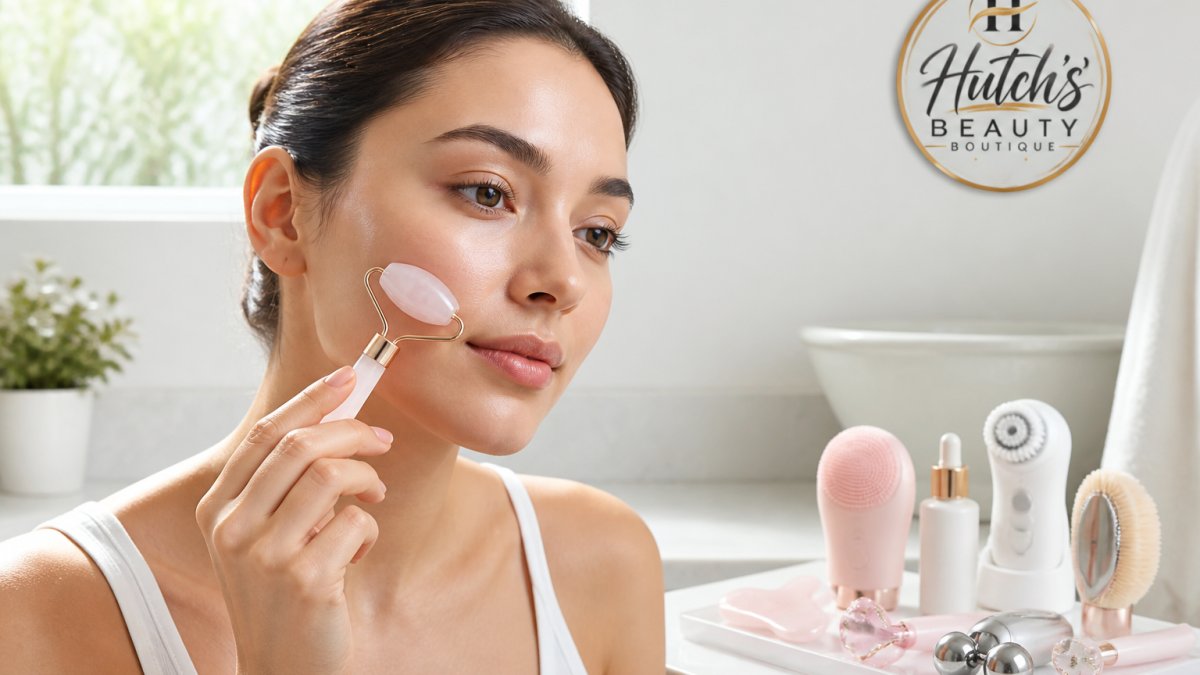
Jade and rose quartz rollerballs work through gentle pressure and cooling, which is why dermatologists recommend them for sensitive skin. The cool stone promotes circulation and lymphatic drainage while temporarily reducing inflammation. For sensitive skin, this is ideal because nothing is applied except gentle pressure.
Natural stone rollerballs suit almost everyone and are safe during active breakouts, eczema flares, and post-treatment recovery. The only limitation is subtle results: improved circulation and mild puffiness reduction, not dramatic transformation.
Use your roller for 2-3 minutes daily on the jawline and under-eye area. Refrigerate for added anti-inflammatory benefit.
CurrentBody LED Red Light Therapy Mask: Safe LED Face Mask for Sensitive Skin
LED red light therapy masks emit 600-700 nm wavelengths that penetrate the epidermis without heat or skin contact. Red light stimulates mitochondrial activity and collagen signaling while reducing inflammatory cytokines.
The hands-free mask format is valuable for sensitive skin because you're not applying pressure, rubbing, or introducing friction. Simply wear it for 10-20 minutes per session.
Safe-use settings and frequency for sensitive skin:
- Starting frequency: 3-4 times per week for the first 2 weeks, 10-minute sessions. This allows your skin to adapt without overwhelming it.
- Intensity: If your mask has adjustable settings, start at 50% power. Many sensitive-skin users never need to increase beyond 70%.
- Session duration: Do not exceed 20 minutes per session. Longer exposure does not accelerate results and increases irritation risk.
- Progression: After 2 weeks, if no redness or sensitivity develops, increase to 5 sessions per week. After 4 weeks, you can move to daily use if desired, though 4-5 times weekly maintains results with lower irritation risk.
- Maintenance: Once you see improvement (typically 4-6 weeks), reduce to 3-4 times weekly to sustain results without overuse.
When red LED is appropriate for sensitive skin:
- Persistent redness or rosacea (red light reduces inflammatory markers without triggering heat-related flares)
- Post-inflammatory hyperpigmentation or general dullness
- Mild to moderate acne (red light supports healing without the irritation of blue light)
- Eczema or dermatitis in remission (red light is anti-inflammatory; avoid during active flares)
- Anti-aging concerns without active inflammation
When to avoid or delay red LED:
- Active rosacea flares with severe flushing or burning (wait until baseline redness stabilizes)
- Severe eczema or dermatitis flares (pause until inflammation subsides)
- Recent chemical peels, laser, or microneedling (wait 48-72 hours minimum)
- Photosensitizing medications (certain antibiotics, retinoids, NSAIDs; consult your dermatologist)
- Extreme sun sensitivity or a history of phototoxic reactions
Quality and wavelength considerations:
LED masks vary in wavelength accuracy and power density. Cheaper models ($50-$100) often include wavelengths outside the optimal 600-700 nm range, which can irritate. When choosing an LED mask, verify that the manufacturer specifies wavelength range and power output (milliwatts per square centimeter).
Expected timeline and realistic outcomes:
- Weeks 1-2: Possible mild warmth or slight redness during sessions (normal); no visible change yet.
- Weeks 3-4: Reduced redness, improved skin tone, subtle glow.
- Weeks 5-8: Noticeable improvement in texture, reduced inflammation, more even complexion.
- Weeks 8+: Continued subtle anti-aging effects (fine lines, firmness) if used consistently.
Results plateau after 8-12 weeks; continued use maintains benefits but does not produce dramatic further improvement. Red LED is a gentle, cumulative tool, not a quick fix.
ZIIP Halo: Premium Microcurrent for Reactive Skin
The ZIIP Halo is a premium microcurrent device with adjustable intensity, critical for sensitive skin. A reviewer with sensitive skin specifically preferred the Silver option, which suggests ZIIP designed intensity variations with reactive skin in mind.
Microcurrent devices work similarly across brands, but ZIIP's appeal lies in customization. Reactive skin needs the ability to dial down intensity when your barrier is compromised.
ZIIP positions itself as a tightening and plumping device, results that appeal to anti-aging seekers. For sensitive skin, the mechanism matters more than marketing: microcurrent without heat or friction is inherently gentler than vibrating or heat-based tools.
The cost is higher than alternatives, but the precision and sensitivity-conscious design justify it for people who've struggled with reactive skin and aggressive devices. This is a tool built for people whose skin needs control, not force.
Mount Lai Gua Sha Tool: Manual Lymphatic Drainage Without Friction
Mount Lai's gua sha tool is a manual stone implement for facial massage and lymphatic drainage. A skincare tools review includes it among at-home options, confirming its relevance to home beauty routines. Gua sha works through gentle scraping pressure, not vibration, not heat, not chemicals.
The mechanism is ancient and simple: a smooth stone edge applies pressure along facial contours, moving fluid through lymphatic pathways. This reduces puffiness, improves circulation, and creates a subtle sculpting effect.
Technique matters. Proper gua sha uses light to moderate pressure, never aggressive scraping. Move slowly along the jawline, cheekbones, and forehead. Many users find it meditative, which is a bonus for stress-related skin sensitivity.
The main risk: improper technique can cause bruising. Use gentle pressure, move slowly, and avoid aggressive downward strokes. When done correctly, gua sha is one of the safest beauty tools sensitive skin can use.
Tinkle Dermaplaning Tool: Budget-Friendly Exfoliation for Sensitive Skin
Tinkle dermaplaning tools are manual razors designed for gentle facial exfoliation. A beauty tools review for mature skin lists them as simple, low-cost options.
Dermaplaning removes dead skin and fine facial hair using a surgical-grade blade at a 45-degree angle. The mechanism is mechanical exfoliation, no chemicals, no heat, no electricity.
The catch: dermaplaning requires proper technique. Too much pressure causes irritation; too little wastes the tool. The blade is sharp, so careless use risks nicks. Start with light pressure and short strokes.
Dermaplaning is contraindicated during active acne, eczema flares, or recent chemical peels. Wait until your barrier is stable, then introduce it gradually.
Choosing beauty tools for sensitive skin means prioritizing mechanism over marketing. Microcurrent, LED red light, manual massage, and gentle exfoliation deliver results without the irritation that comes from heat, vibration, or aggressive friction.
Frequently Asked Questions
Are LED face masks safe for sensitive skin?
LED face masks, particularly those using red or near-infrared light, are generally safe for sensitive skin when used correctly. Red light therapy promotes circulation and collagen production without the heat or friction that irritates reactive skin. Start with shorter sessions (5-10 minutes) and use masks 2-3 times weekly. Avoid blue light initially if you have active inflammation, as it can feel intense. Always patch-test first and check the device's intensity settings.
What is the best facial roller for sensitive skin?
Natural stone rollerballs made from jade or rose quartz are ideal for sensitive skin because they're smooth, cool, and require no power. They provide gentle lymphatic drainage and reduce puffiness without friction or vibration. Jade rollers are slightly cooling and soothing, making them perfect for reactive skin. Use light pressure, roll upward and outward, and refrigerate before use to maximize the calming effect. Avoid metal or vibrating rollers if your skin is easily irritated.
How often should you use beauty tools on sensitive skin?
Frequency depends on the tool. Manual tools like gua sha and jade rollers can be used daily (1-2 minutes). Cleansing brushes should be limited to 2-3 times weekly at lowest settings. Microcurrent devices work best 3-5 times weekly for 5-10 minutes. LED masks suit 2-3 sessions weekly. Always allow 48 hours between intense treatments to avoid compromising your skin barrier. If redness or irritation appears, reduce frequency immediately and consult a dermatologist.
How do you clean facial tools to prevent irritation?
Clean tools weekly with warm water and gentle soap, or use a 70% isopropyl alcohol wipe. For brushes, soak bristles in warm water with a drop of cleanser, then rinse thoroughly. Dry completely with a clean towel before storing. For rollers and gua sha tools, wipe with a damp cloth and air-dry. Store in a clean, dry place away from dust. Dirty tools trap bacteria and can trigger breakouts or irritation, especially on sensitive skin. Replace brush heads every 3 months.
What should you avoid when choosing beauty tools for sensitive skin?
Avoid high-vibration cleansing brushes, aggressive exfoliating tools, and devices with fixed intensity settings you can't adjust. Skip dermaplaning if you have active rosacea or severe sensitivity. Avoid tools with rough surfaces or poor material quality that can damage the skin barrier. Don't use devices designed for normal or oily skin without confirming they have gentle settings. Always check for hypoallergenic materials and avoid nickel-plated devices. Read reviews from sensitive-skin users before purchasing.


