Table of Contents
- What Makes a Product 'Boutique' in Beauty
- Boutique Beauty vs Drugstore: Where the Real Differences Are
- How to Identify High-Quality Beauty Ingredients That Actually Work
- Is Luxury Skincare Worth the Money? Breaking Down Cost-Per-Use
- When Boutique Beauty Products Are Actually Worth It
- The Hype Factor: What You're Really Paying For
- Finding Your Personal Sweet Spot
- Conclusion
Last Updated: August 9, 2026
What Makes a Product 'Boutique' in Beauty
The term "boutique" in beauty doesn't mean small or exclusive, it means curated. A boutique beauty product is one selected for specific quality standards, often from smaller brands or specialty lines, rather than mass-produced drugstore staples. The difference matters because boutique beauty products worth it depends entirely on what you're actually getting for the premium price.
Boutique beauty brands typically control their supply chains more tightly than mass-market competitors. They often use higher concentrations of active ingredients, invest in proprietary formulations, and limit distribution to maintain brand positioning. Tatcha, for example, focuses on Japanese-inspired skincare with ingredients like purple rice and Okinawa algae, components you won't find in standard drugstore moisturizers. This specificity is what separates boutique from commodity.
But here's where most guides get it wrong: boutique doesn't automatically mean better. It means different. A $200 jar of La Mer's Crème de la Mer uses marine-derived ingredients and a proprietary extraction method called Miracle Broth, but that doesn't guarantee it outperforms a $15 Paula's Choice exfoliant at what each product is designed to do. Understanding what you're actually paying for is the first step to deciding if boutique beauty products are worth it for your routine.
At Hutch's Beauty Boutique, we've noticed customers often ask the same question: why pay more when drugstore options exist? The answer isn't universal. It depends on your skin type, your specific concerns, and how you calculate value. Some boutique products deliver measurable results that justify their cost. Others rely heavily on packaging, brand prestige, and marketing.
Boutique Beauty vs Drugstore: Where the Real Differences Are
The gap between boutique and drugstore isn't just price, it's formulation depth, ingredient concentration, and sometimes, honest limitations. Drugstore products are engineered for mass appeal and shelf stability. Boutique products often prioritize efficacy for specific skin types or concerns, even if that means a narrower target audience.
Active Ingredients and Concentration Levels
Concentration matters more than the ingredient itself. Vitamin C serums exist at every price point, but the difference between a 5% formulation and a 15% formulation is dramatic. Drunk Elephant's C-Firma Fresh Day Serum contains 15% L-ascorbic acid paired with ferulic acid and vitamin E, a synergistic combination designed to maximize antioxidant protection and brightening. Paula's Choice 2% BHA Liquid Exfoliant, meanwhile, uses a lower concentration but targets a different problem: clearing pores and reducing breakouts for oily skin.
The active ingredient concentration tells you how much of the beneficial compound is actually in the bottle. Many drugstore products list impressive-sounding ingredients but include them in such small amounts that they're essentially marketing gestures. Boutique brands often publish their concentrations because higher percentages justify premium pricing. When you see "15% vitamin C" or "2% salicylic acid," you're looking at formulations designed for measurable results.
Stability also shifts the equation. High-concentration vitamin C serums oxidize quickly, which is why Drunk Elephant requires you to mix the powder and liquid before first use. This extra step ensures potency. Drugstore alternatives often pre-mix their formulations, sacrificing some efficacy for convenience. Neither approach is wrong, they reflect different priorities.
Formulation Quality and Texture
Texture isn't frivolous. It determines whether you'll actually use the product consistently, which determines whether it works. Kiehl's Midnight Recovery Concentrate uses squalane and evening primrose oil in a lightweight formula that absorbs quickly without leaving a greasy residue. This matters because a rich, occlusive formula might deliver better active ingredients but won't get used if it feels uncomfortable on your skin.
Boutique brands invest in texture engineering because they know compliance is part of efficacy. Fenty Skin's Fat Water Pore-Refining Toner Serum combines the hydration of a toner with the potency of a serum in a thick texture that absorbs instantly. This two-in-one approach simplifies routines while delivering multiple benefits. A drugstore equivalent might exist, but the texture experience, and therefore the likelihood you'll use it daily, differs significantly.
Packaging also affects product quality. Airless pumps prevent oxidation better than jars. Dark glass bottles protect light-sensitive ingredients like vitamin C and retinoids. Boutique brands often use superior packaging because they're protecting expensive formulations. Drugstore brands sometimes cut corners here, which can degrade your product while it sits on the shelf or in your bathroom.
How to Identify High-Quality Beauty Ingredients That Actually Work
Not all ingredient lists are created equal. The first step to evaluating whether boutique beauty products are worth it is understanding what you're looking at. Ingredient lists are ordered by concentration, the first five ingredients make up the bulk of the formula. Everything after the preservative system is essentially negligible in terms of efficacy.
Look for specific, named ingredients with published research. Hyaluronic acid, niacinamide, peptide complexes, and retinoids have clinical evidence supporting their benefits. Vague terms like "plant extract" or "natural blend" without specifics are filler. SkinCeuticals C E Ferulic lists its exact concentrations: 15% L-ascorbic acid, 1% vitamin E, 0.5% ferulic acid. This transparency signals confidence in the formulation.
Dermatologist testing matters, but only if it's legitimate. "Dermatologist-tested" means a dermatologist evaluated the product, not that it's clinically proven to work. Look instead for products with published clinical trials or peer-reviewed research. Augustinus Bader's TFC8 complex is proprietary, which makes independent verification harder, but the brand publishes results showing visible improvements in fine lines and firmness. That's more credible than a generic "dermatologist-approved" claim.
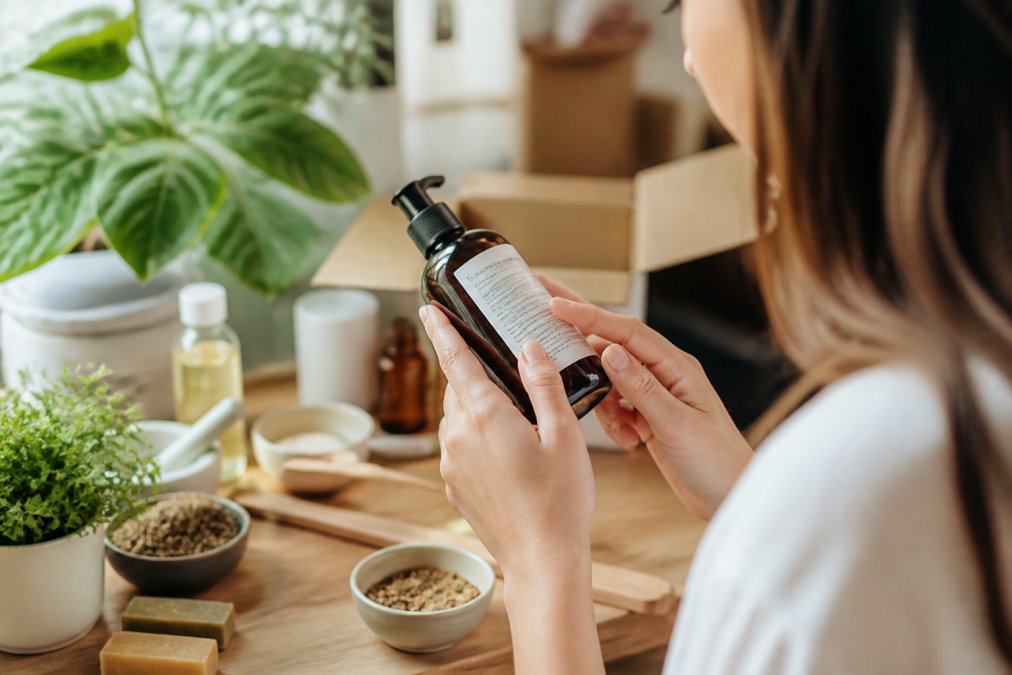
Concentration and stability are your final checks. A serum with 0.5% retinol is less effective than one with 1% retinol, all else equal. But stability matters, unstable formulations degrade over time. Ask yourself: does this brand explain how they're preserving the formula? Do they recommend refrigeration or specific storage? Transparency here signals a brand that understands their own product chemistry.
Is Luxury Skincare Worth the Money? Breaking Down Cost-Per-Use
This is where emotion meets math. A $185 bottle of SkinCeuticals C E Ferulic feels expensive until you calculate cost-per-use. If the bottle lasts three months and you use it daily, that's roughly $2 per application. A $32 Kiehl's Midnight Recovery Concentrate used nightly for two months costs about $0.50 per use. The math shifts when you factor in efficacy: if the SkinCeuticals serum delivers visible anti-aging results and the Kiehl's product maintains hydration, you're comparing different outcomes.
Calculating Real Value Beyond the Price Tag
Cost-per-use is the first calculation, but it's incomplete. You also need to factor in whether the product actually solves your problem. A $15 Paula's Choice exfoliant is worthless if your skin is too sensitive for salicylic acid. A $99 Augustinus Bader cream is wasteful if your skin is oily and needs something lighter. The "worth it" question isn't about absolute price, it's about alignment between the product's benefits and your actual needs.
Consider longevity and concentration. A small bottle of high-concentration serum often lasts longer than a large bottle of diluted formula. Drunk Elephant's C-Firma uses less product per application because the 15% concentration is potent. You might use a pea-sized amount, which means a 1-ounce bottle lasts months. A drugstore vitamin C serum with lower concentration requires more product per application, shortening shelf life and increasing cost-per-use even if the upfront price is lower.
The real calculation: (Price ÷ Months of Use) + (Likelihood of Results Based on Formulation) = True Value. A $200 cream is worth it if it solves a specific problem you have and lasts six months. A $20 serum is wasteful if it doesn't address your concerns, regardless of price.
The Diminishing Returns Threshold
Here's what most guides miss: luxury skincare has a hard ceiling on efficacy. Beyond a certain price point, you're paying for packaging, brand prestige, and marketing, not better results. A $300 moisturizer isn't twice as effective as a $150 moisturizer. The difference in active ingredients and formulation quality plateaus.
Research the specific benefits you want. If you're targeting fine lines, vitamin C serums and retinoids have the strongest evidence. If you want hydration, hyaluronic acid and glycerin work across all price tiers. Once you've identified the active ingredient that addresses your concern, the question becomes: which formulation has the highest concentration at the lowest price? That's your value threshold.
La Mer Crème de la Mer costs $200-plus because of brand heritage, packaging, and the Miracle Broth extraction process. But if you're seeking intense hydration for dry skin, a $99 Augustinus Bader cream with peptides and amino acids might deliver similar results. The difference is often sensory, the luxury experience of a rich, iconic cream, rather than measurable skin improvement.
When Boutique Beauty Products Are Actually Worth It
Boutique beauty products worth it in specific scenarios. First: when they solve a problem drugstore options don't address. If you have sensitive, reactive skin, many boutique brands formulate without common irritants. If you need high-concentration actives for visible anti-aging, boutique serums like Drunk Elephant's 15% vitamin C deliver what mass-market alternatives don't.
Second: when you have the budget to test and refine. Boutique products are investments, which means you need financial flexibility to try multiple options before finding what works. If you're on a tight budget, drugstore basics like Paula's Choice exfoliant and Kiehl's face oil offer better value-per-result because they're proven, affordable, and effective.
Third: when the brand's philosophy aligns with yours. Some people prioritize clean beauty, products without synthetic fragrances, parabens, or certain preservatives. Drunk Elephant and Fenty Skin cater to this audience with transparent ingredient lists and formulations designed around those values. If clean beauty matters to you, paying more for alignment with your values makes sense.
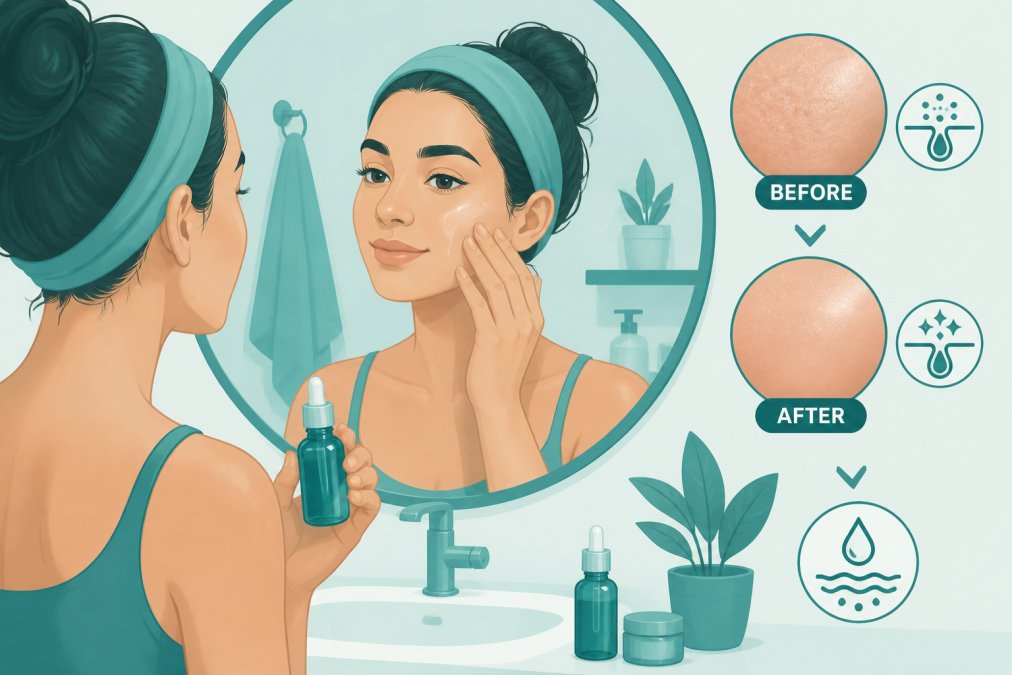
Fourth: when you're treating a specific skin condition. Acne, rosacea, severe dryness, or hyperpigmentation sometimes require targeted formulations that drugstore products don't offer. In these cases, boutique dermatology-adjacent brands often outperform mass-market options because they're engineered for specific problems.
The Hype Factor: What You're Really Paying For
Not all of a boutique product's price is formulation. Some of it is marketing, influencer partnerships, packaging design, and brand prestige. Tatcha's purple rice moisturizer is effective, but part of its $68 price reflects the brand's Japanese heritage narrative and the luxury packaging experience. That narrative matters, it's part of why people buy it. But it's not skincare efficacy.
Recognize the difference between marketing and chemistry. A product with a compelling origin story and beautiful packaging isn't automatically better than a clinically formulated option with plain labeling. Paula's Choice 2% BHA Liquid Exfoliant has minimal packaging and no influencer hype, yet it's one of the most recommended exfoliants by dermatologists because the formulation works.
Brand prestige creates a halo effect. You expect a $200 cream to work better than a $50 cream because of the price. This expectation sometimes becomes a placebo effect, you see results because you believe you should. That's not nothing. Skincare psychology is real. But it's separate from whether the formulation itself is superior.
Finding Your Personal Sweet Spot
Your personal sweet spot exists somewhere between drugstore basics and luxury boutique products. For most people, it's a hybrid approach: drugstore staples for foundational steps (cleanser, sunscreen, basic moisturizer) and one or two boutique products targeting specific concerns (a vitamin C serum for brightness, a retinoid for anti-aging, a targeted exfoliant for texture).
Start by identifying your primary skin concern. Fine lines? Acne? Dullness? Sensitivity? Once you know your target, research which active ingredients have the strongest evidence. Then find the formulation with the highest concentration at the price point you're comfortable with. That might be drugstore or boutique, the price isn't the variable that matters. The ingredient match is.
Test before committing. Many boutique brands offer travel sizes or sample programs. Tatcha, Drunk Elephant, and SkinCeuticals all have smaller formats you can try before investing in full sizes. This approach lets you verify that the product actually works for your skin before spending $100-plus on a full bottle.
Consider your skin's baseline. If you're starting from a healthy foundation, drugstore products often suffice. If you're treating specific concerns or have reactive skin, boutique options with higher concentrations and targeted formulations justify the premium. The question isn't whether boutique beauty products are worth it universally, it's whether they're worth it for your specific situation.
Boutique beauty products can deliver results that drugstore alternatives don't, but only when they address your actual skin concerns and fit your budget. The real test is whether the formulation solves a specific problem, not whether the price tag is high. At Hutch's Beauty Boutique, we help you navigate this decision by offering a curated selection of trending beauty products alongside affordable options, so you can build a routine that works for your skin and your wallet. Start by identifying your primary skin concern, then explore products with active ingredients proven to address it. That's how you separate hype from genuine value.
Frequently Asked Questions
What makes a beauty product 'boutique' instead of drugstore?
Boutique beauty products typically come from independent or smaller brands with limited distribution, often emphasizing curated ingredient selection and specialized formulations. They're usually sold through selective retailers rather than mass-market chains. Boutique brands often focus on specific skin concerns or use unique active ingredients at higher concentrations. However, the term is marketing-driven, not every boutique product outperforms drugstore alternatives in efficacy.
Are boutique beauty products worth the price compared to drugstore brands?
Not always. The price difference doesn't automatically mean better results. Some boutique formulations deliver superior active ingredient concentrations and stability, while others rely heavily on packaging and brand prestige. Calculate cost-per-use: a $180 serum used daily for 6 months costs about $1 per application, while a $15 drugstore option used the same way costs $0.08. The boutique product needs to deliver proportionally better results to justify the markup.
How do I know if a boutique beauty ingredient is actually high-quality?
Look for specific active ingredient concentrations listed on the label, brands using effective ingredients often highlight them. Research whether clinical trials support the brand's claims. Check for third-party certifications like dermatologist-tested or hypoallergenic. Examine the ingredient order: active ingredients should appear early in the list. Be skeptical of vague claims like 'natural' or 'clean' without specific efficacy data. Consumer reviews on multiple platforms reveal whether results match the marketing.
What's the difference between boutique and luxury skincare in terms of actual performance?
Luxury skincare often prices based on brand heritage, packaging quality, and sensory experience rather than superior active ingredients. Some luxury formulations (like those with 15% vitamin C or peptide complexes) do deliver clinical benefits. Others rely on marketing markup. Boutique brands may focus more on ingredient efficacy and less on packaging prestige, sometimes offering better value. Performance depends on the specific product and your skin type, not the price tier.
This article was written using GrandRanker


